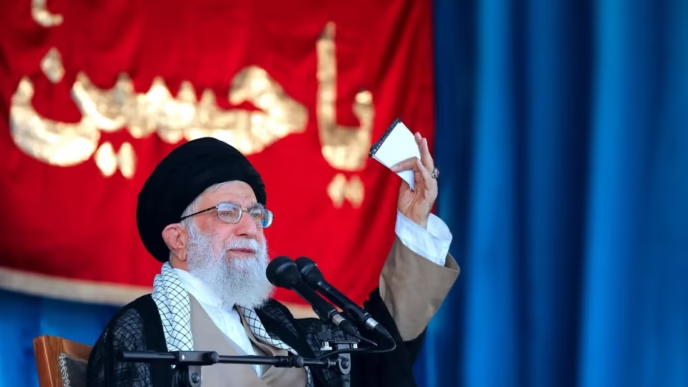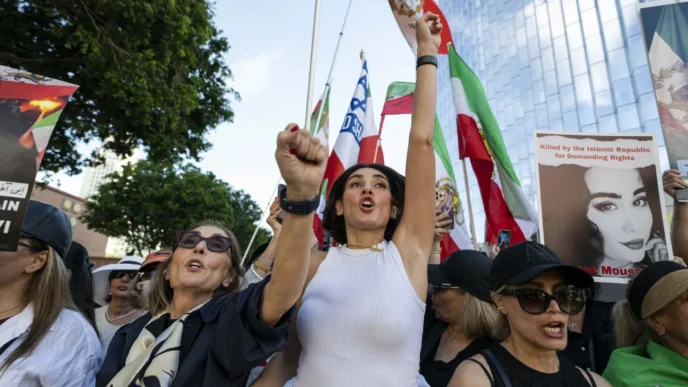

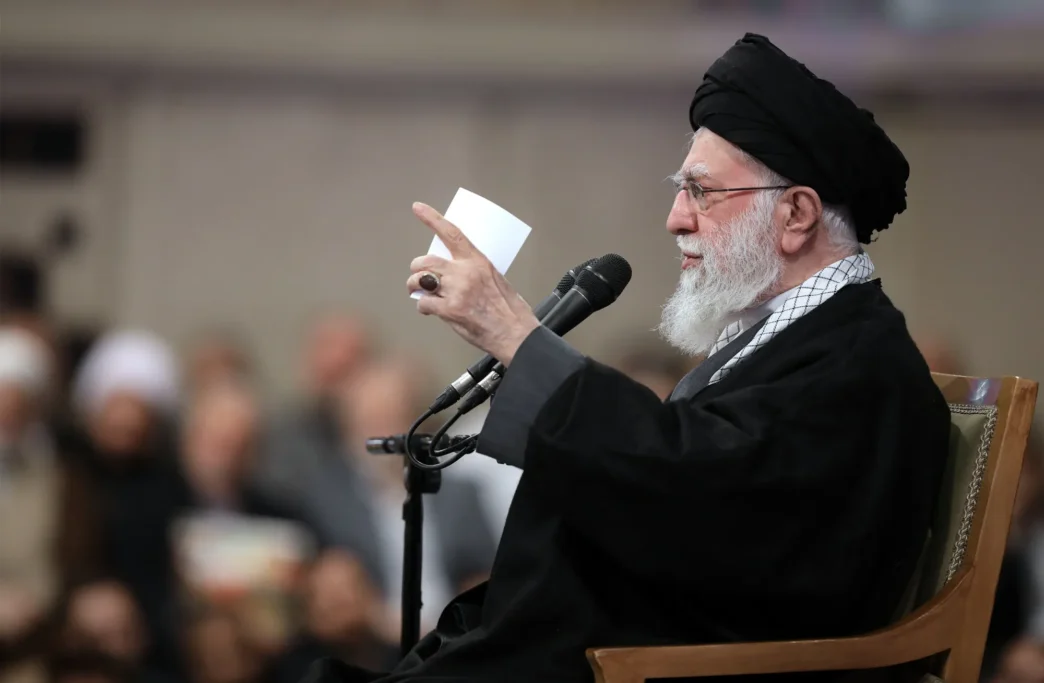
The voice of Supreme Leader Ayatollah Ali Khamenei resonated through state media, declaring that those he termed “rioters” must be “put in their place,” a statement that arrives as the death toll continues its grim ascent across Iran. This directive comes amid widespread protests sparked by the death of Mahsa Amini, a 22-year-old woman who died in the custody of the morality police last month. Her passing ignited a furious backlash, with demonstrations erupting in cities and towns from Tehran to Mashhad, challenging the very foundations of the Islamic Republic.
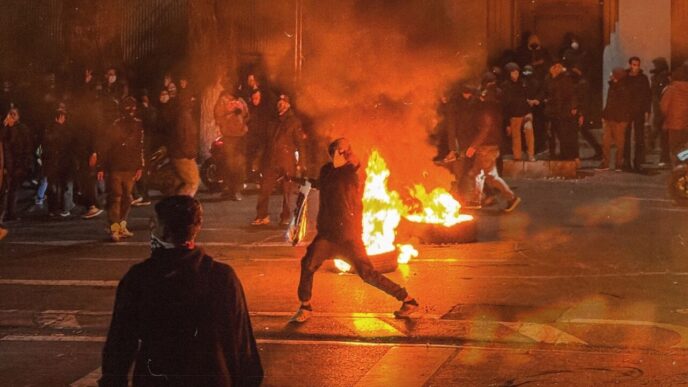
Initial protests, primarily focused on women’s rights and the mandatory hijab, have broadened into a more generalized discontent with the government. Eyewitness accounts and reports from human rights organizations detail clashes between demonstrators and security forces, including the Basij militia and the Islamic Revolutionary Guard Corps. The use of live ammunition, tear gas, and batons has been widely reported, contributing to the rising number of fatalities and injuries. While official figures remain scarce and often contested, independent monitors suggest dozens have died, with hundreds more arrested in the crackdown.
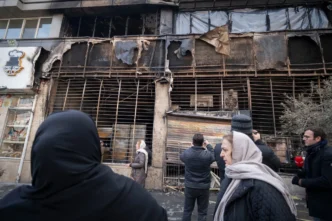
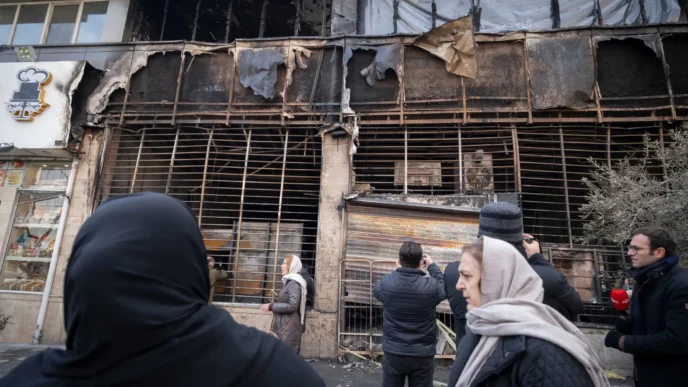
The Supreme Leader’s remarks underscore a hardening stance from the Iranian establishment, signaling a potential escalation in the state’s response to the unrest. His condemnation frames the protests not as legitimate grievances but as foreign-backed instigation aimed at destabilizing the country. This narrative, frequently employed by Iranian authorities during periods of internal dissent, seeks to delegitimize the movement and consolidate support among loyalist factions. State television, in line with this message, has broadcast segments portraying the protests as chaotic and violent, often highlighting instances of property damage.
Meanwhile, internet access in several regions has been severely restricted or completely cut, a tactic often used to impede communication among protesters and limit the flow of information to the outside world. Social media platforms, crucial for organizing and sharing footage of the demonstrations, have been largely inaccessible. This digital blackout makes it increasingly difficult to ascertain the full scope and scale of the protests, as well as the precise number of casualties, leaving a vacuum often filled by conflicting reports and speculation.
International bodies and a growing number of world leaders have voiced grave concerns over the human rights situation in Iran, urging restraint from authorities and calling for investigations into the deaths of protesters. However, Tehran has largely dismissed these criticisms as interference in its internal affairs, maintaining that its security forces are merely upholding law and order against subversive elements. The coming days are likely to reveal whether the Supreme Leader’s firm declaration will quell the burgeoning unrest or, conversely, intensify the resolve of those demanding fundamental change.