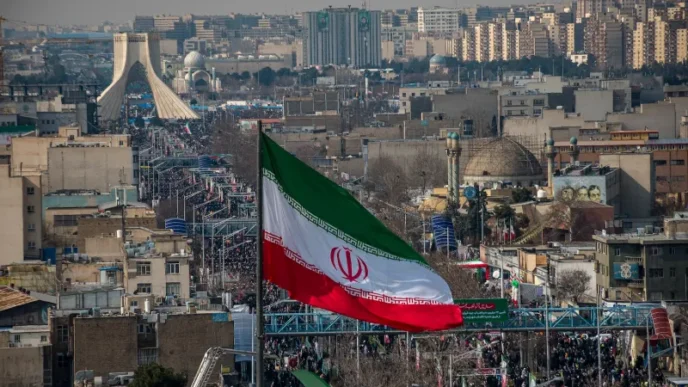

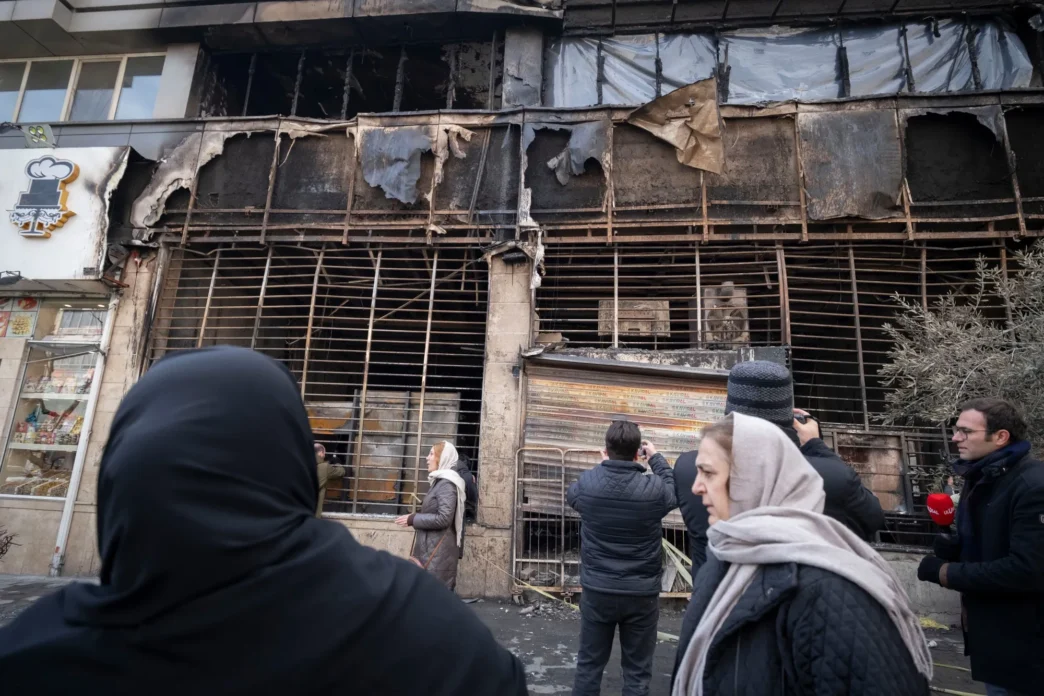
The streets of Tehran and other major cities have largely quieted, but an uneasy calm has settled across Iran following weeks of intense demonstrations. The protests, sparked by the death of Mahsa Amini in the custody of the morality police, quickly broadened into a wider rejection of the government, drawing in a diverse cross-section of society. What began as an outcry against mandatory hijab laws evolved into a powerful expression of frustration over economic hardship, political repression, and social restrictions that have defined life for many Iranians for decades.
Security forces responded to the uprising with a significant show of force, deploying riot police, Basij militia, and plainclothes agents. Eyewitness accounts and reports from human rights organizations detail widespread arrests, with thousands detained, including journalists, lawyers, and activists. The precise number of casualties remains contested, but groups like Human Rights Activists in Iran (HRAI) have documented hundreds of deaths, including a notable number of minors. State media, while acknowledging some fatalities among security personnel, has largely downplayed the scale of civilian deaths and attributed the unrest to foreign instigation.
The government’s crackdown has been comprehensive, extending beyond physical suppression. Internet access was severely restricted, with social media platforms like Instagram and WhatsApp – popular avenues for organizing and sharing information – frequently inaccessible. This digital blockade aimed to disrupt communication among protesters and control the narrative both domestically and internationally. Despite these measures, videos and images of the protests, often smuggled out of the country, continued to circulate, illustrating the persistence of the demonstrators and the brutality of the response.
For many Iranians, the recent events represent a profound moment of reflection. The scale and duration of the protests, particularly the prominent role played by women and youth, indicate a deep-seated discontent that transcends specific grievances. While the immediate visible uprising has been curbed, the underlying issues that fueled it persist, from high unemployment and inflation to a pervasive sense of injustice and a yearning for greater freedoms. The government has offered some concessions, such as disbanding the morality police, but these moves are widely viewed with skepticism by a populace accustomed to unfulfilled promises.
The international community has largely condemned the Iranian government’s actions, with several countries imposing sanctions on officials deemed responsible for human rights abuses. However, the effectiveness of these external pressures in altering internal policies remains a subject of ongoing debate. Domestically, the government faces the challenge of rebuilding trust and addressing the grievances of a population that has demonstrated its willingness to challenge the status quo, even at great personal risk.
As the dust settles, the long-term implications for Iran are difficult to predict. The recent unrest has undeniably changed the political landscape, revealing the depth of public anger and the fragility of the existing social contract. While the street demonstrations have subsided, the spirit of dissent may well continue to simmer beneath the surface, waiting for another opportunity to emerge. The path forward for Iran remains fraught with uncertainty, leaving many citizens to contemplate a future that feels both precarious and profoundly altered by the events of recent months.