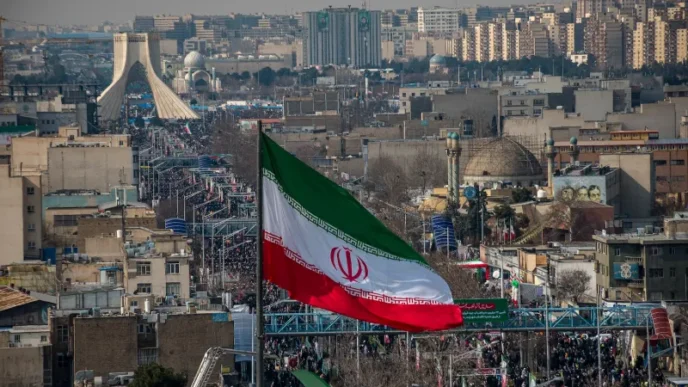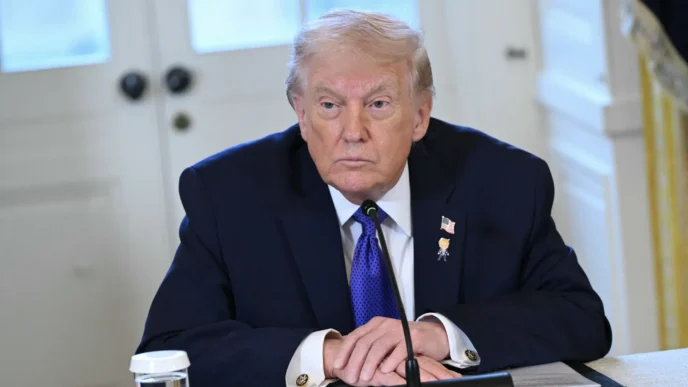

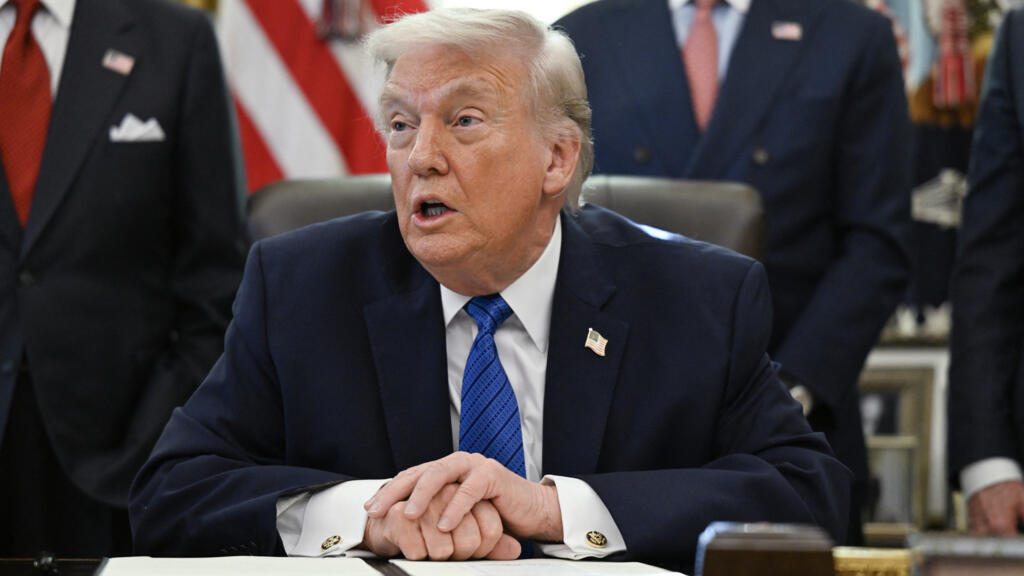
President Donald Trump recently articulated his belief that Iran desires a deal with the United States, a statement that reintroduces a familiar theme from his administration’s foreign policy discourse. Speaking publicly, Trump suggested that the current Iranian leadership is eager for negotiations, particularly given what he characterized as significant internal pressures. This assertion comes amidst ongoing tensions between Washington and Tehran, which have seen periods of heightened friction and sporadic attempts at de-escalation over the past several years. The former president’s comments inevitably draw attention to the diplomatic tightrope walked by both nations.
During his presidency, Trump withdrew the United States from the Joint Comprehensive Plan of Action (JCPOA), commonly known as the Iran nuclear deal, in 2018. He subsequently reimposed stringent sanctions on Iran, aiming to compel Tehran to negotiate a new, more comprehensive agreement addressing not only its nuclear program but also its ballistic missile development and regional activities. This “maximum pressure” campaign was a cornerstone of his approach to the Middle East, predicated on the idea that economic hardship would ultimately force Iran to the negotiating table on terms more favorable to the U.S.
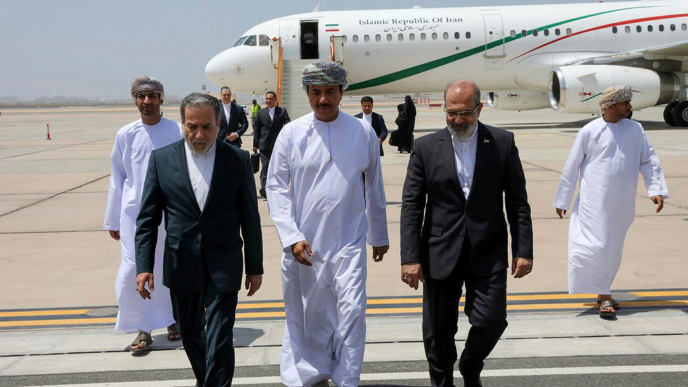
The Iranian government, for its part, has consistently maintained that it would not engage in direct talks with the United States under the shadow of sanctions. Iranian officials have frequently called for the U.S. to return to the JCPOA and lift sanctions as a prerequisite for any broader diplomatic engagement. This stance has created a persistent impasse, with each side demanding concessions before substantive discussions can begin. Trump’s recent comments, therefore, introduce a different perspective, implying a shift in Tehran’s willingness to engage without preconditions.
Observers of Iranian politics often point to the country’s economic struggles, exacerbated by international sanctions and internal mismanagement, as a potential driver for a change in its diplomatic posture. High inflation, unemployment, and currency depreciation have all contributed to public discontent. However, the exact extent to which these domestic pressures influence foreign policy decisions remains a subject of considerable debate among analysts. The current Iranian administration faces a complex balancing act, navigating both internal demands and external pressures while attempting to maintain its ideological principles.
The prospect of a new deal between Iran and the United States carries significant implications for regional stability and global energy markets. Any movement toward de-escalation could reshape alliances and alter strategic calculations across the Middle East. Conversely, continued deadlock or an escalation of tensions could further destabilize an already volatile region. Trump’s remarks, while not necessarily indicating an immediate policy shift from the current U.S. administration, inject a fresh dynamic into the ongoing discussion about the future of U.S.-Iran relations, prompting renewed speculation about potential pathways to dialogue. Ultimately, whether Iran is indeed seeking a deal, and on what terms, remains a critical question for international diplomacy.