
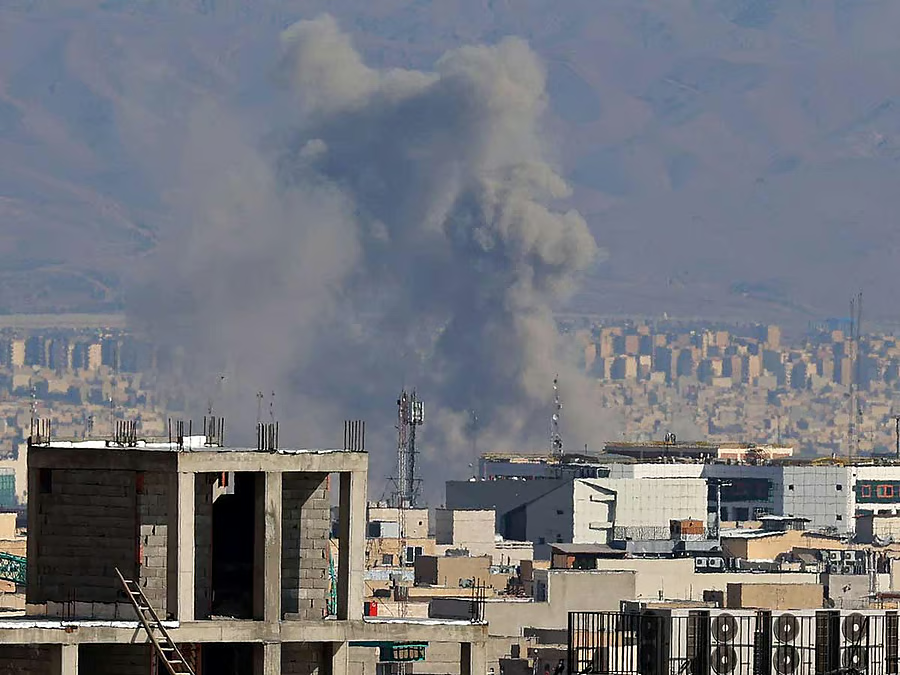
The intricate web of global supply chains is once again under considerable strain, with recent escalations in the Middle East casting long shadows over international commerce. False narratives, once considered a peripheral concern, have now become a central challenge, impacting everything from pandemic responses to geopolitical stability. The ongoing tensions, particularly those involving Iran, are prompting significant shifts in maritime routes and commodity markets, with far-reaching consequences for distant economies, notably in Asia.
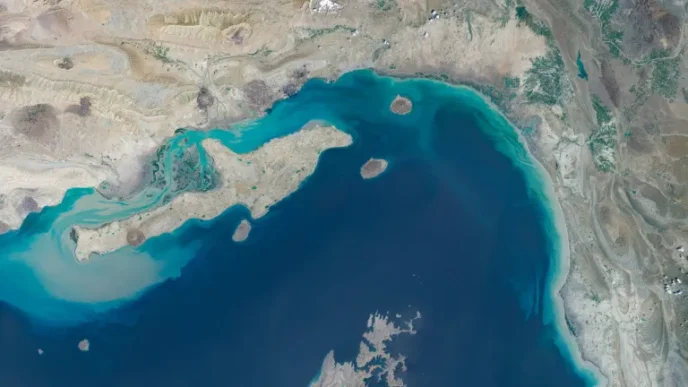
One immediate and visible impact is the rerouting of shipping. Empty tankers, predominantly from Asian nations, are now forming extended queues from the Cape of Good Hope all the way to the U.S. Gulf Coast. This significant detour underscores the perceived risks of traditional passages, even as officials like Badri point to the opening of alternative routes, such as the Hormuz alternative, driven by the conflict with Iran. This strategic shift is not without its own set of complications, as companies grapple with increased transit times and operational costs, despite some emirates freezing certain taxes to alleviate the burden on shipping enterprises.
The reverberations extend beyond shipping lanes into specific industrial sectors. Concerns are mounting regarding the supply of naphtha-based products, a critical feedstock for various industries. Despite governmental reassurances, consumers harbor anxieties about potential shortages, a fear exacerbated by a recent blaze at one of the country’s only two processing plants. This incident further compounds the effects of the Iran conflict on a crucial chemical commodity. While some chemical manufacturers, particularly those in America, report minimal impact on their procurement and production, the broader market remains volatile, signaling potential disruptions down the line for reliant industries.
Beyond direct conflict zones, the economic fallout is manifesting in unexpected ways. Rising energy costs, a direct consequence of regional instability, are altering consumer behavior even in distant locales like Bangkok. During the recent Songkran festivities, while crowds swelled within the city, individual spending on celebrations reportedly trimmed, indicating a cautious approach by consumers facing higher household expenditures. This localized economic ripple effect demonstrates how global crises can subtly reshape domestic consumption patterns, even in seemingly unrelated sectors.
Meanwhile, the rising cost of essential materials like optical fiber is forcing companies to reconsider their expansion plans. This trend, coupled with broader inflationary pressures, could slow down technological advancements and infrastructure development globally. Against this backdrop, certain economies are demonstrating resilience. China, for instance, is actively positioning itself as a reliable manufacturing hub, with 32,000 companies courting buyers at the Canton Fair. This push for international trade is seen as a strategic move to offset domestic economic pressures, with first-quarter export figures exceeding estimates, though analysts remain wary of potential risks to global demand.
The diplomatic landscape is also intensely active. Officials indicate that the next round of critical negotiations is imminent, highlighted by Sharif’s recent visits to Saudi Arabia, Qatar, and Turkey. These high-level discussions underscore the concerted efforts being made to navigate the complex geopolitical terrain and mitigate the broader economic and security ramifications. The international community watches closely, acknowledging that the stability of the Middle East is inextricably linked to the economic health and security of nations far beyond its immediate borders.