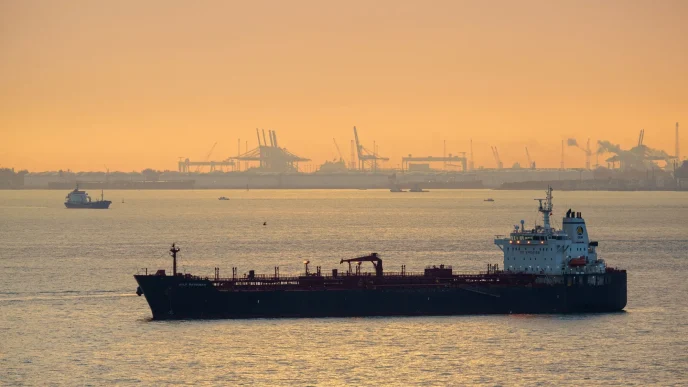

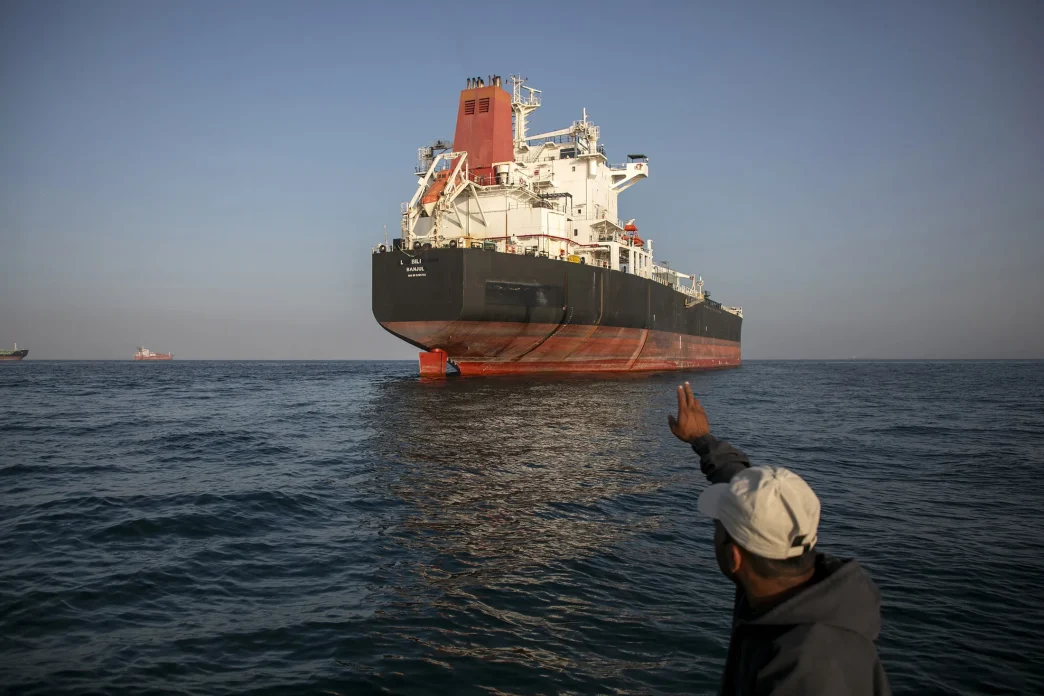
The massive oil tankers operated by Abu Dhabi National Oil Company, or Adnoc, continue their steady transit through the Strait of Hormuz, a critical maritime choke point for global energy supplies. This consistent movement, encompassing crude oil, refined fuels, and liquefied natural gas, underscores the United Arab Emirates’ unwavering commitment to meeting international energy demands, even amidst fluctuating regional tensions. The Strait, a narrow waterway separating the Arabian Peninsula from Iran, sees roughly a fifth of the world’s total oil consumption pass through its waters daily, making Adnoc’s sustained operations a significant indicator of ongoing stability in energy markets.
For decades, the Strait of Hormuz has been a focal point of geopolitical strategy, often reflecting the broader relationship dynamics in the Middle East. Despite periods of elevated rhetoric and occasional incidents, the flow of vital resources has largely remained uninterrupted. Adnoc, as one of the world’s leading energy producers, plays an indispensable role in this continuous supply chain. Its fleet, comprising some of the largest crude carriers and LNG vessels, meticulously plans its voyages, adhering to international shipping regulations and maintaining continuous communication with maritime authorities to ensure safe passage.
The logistical undertaking of moving such vast quantities of energy products through a sensitive area requires sophisticated coordination and robust security protocols. Each Adnoc vessel is equipped with advanced navigation systems and operates under stringent safety guidelines, reflecting the company’s commitment not only to commercial efficiency but also to environmental protection and crew welfare. The sustained pace of these shipments provides a tangible measure of confidence in the security frameworks currently in place to safeguard maritime trade routes in the Arabian Gulf.
Regional and international naval forces frequently patrol the waters surrounding the Strait, contributing to the overall security architecture that enables companies like Adnoc to conduct their operations without undue interference. This collaborative approach between commercial entities and security providers ensures that the vital arteries of global trade remain open. The consistent delivery of oil, gas, and fuel from Adnoc’s expansive production facilities to markets across Asia, Europe, and beyond is a testament to this intricate system functioning effectively.
As global energy demand continues to evolve, the reliable transit of resources through corridors like the Strait of Hormuz will only grow in importance. Adnoc’s continued operations through this strategic waterway are not merely a commercial endeavor but a foundational element of global energy security. Their tankers, laden with essential commodities, are a constant presence, symbolizing the enduring flow of energy that powers industries and communities worldwide, quietly affirming the resilience of international trade routes against a backdrop of complex regional dynamics.