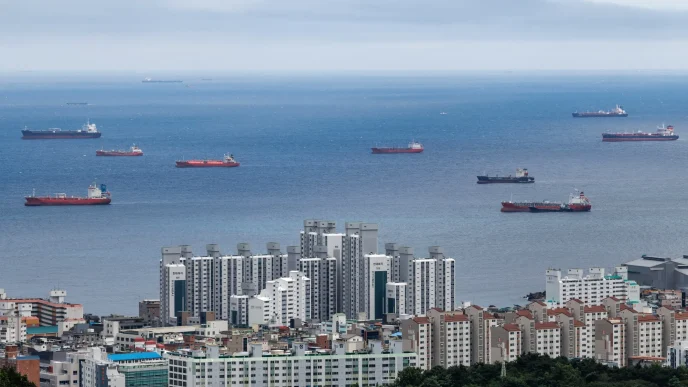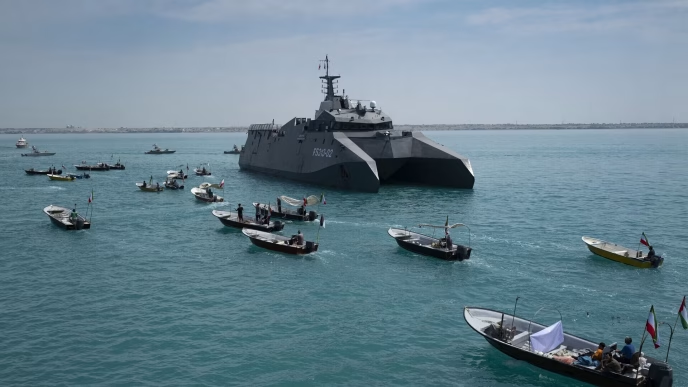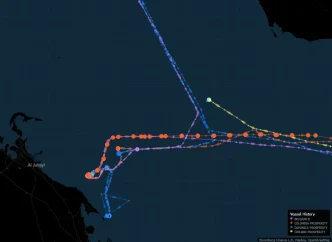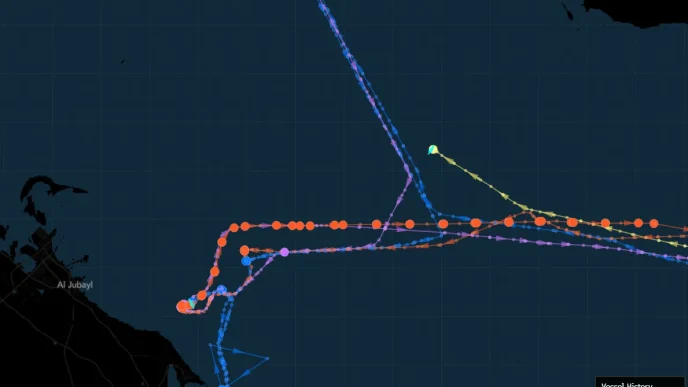

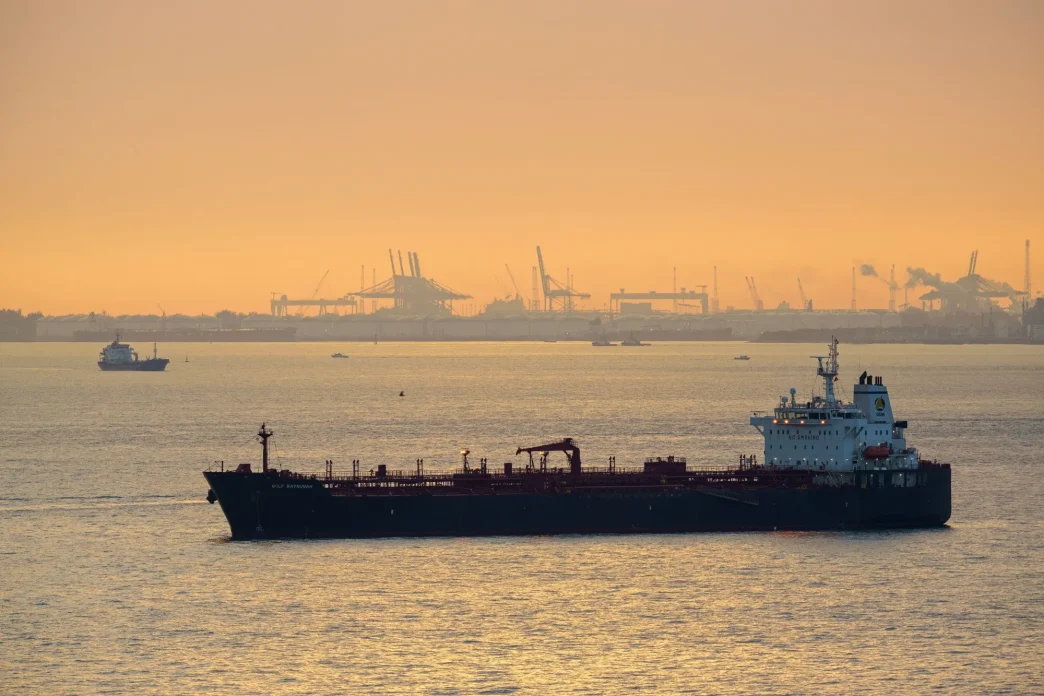
The Strait of Hormuz, a narrow maritime chokepoint, has recently seen a notable uptick in tanker traffic, signaling a significant rebound in Middle East fuel exports. This resurgence follows a period of fluctuating global demand and geopolitical tensions that often cast a long shadow over the region’s crucial energy trade. Vessels carrying crude oil and refined products are navigating the strait with increasing frequency, reflecting a renewed vigor in the energy markets and a strategic recalibration by major producers. This activity underscores the enduring importance of the Middle East as a primary global energy supplier, even as the world grapples with shifting energy landscapes and environmental commitments.
Industry analysts are closely monitoring these movements, noting that the volume of fuel passing through Hormuz is approaching levels not seen in several months. This surge is not merely a statistical anomaly; it represents a complex interplay of factors, including robust demand from Asian economies, strategic inventory rebuilding in various nations, and the consistent operational capabilities of Middle Eastern energy giants. The logistics involved in moving such vast quantities of fuel require sophisticated coordination, from onshore production facilities to offshore loading terminals, culminating in the safe passage through one of the world’s most critical shipping lanes.
The rebound also highlights the adaptability of the region’s energy infrastructure. Despite the omnipresent risks associated with maritime transit in such a politically sensitive area, shipping companies and national oil enterprises have maintained consistent operations. This resilience is a testament to the established protocols and the sheer economic imperative driving these exports. Each tanker that successfully transits Hormuz carries with it not just its cargo, but also the economic fortunes of nations dependent on both its supply and its demand.
Furthermore, the nature of the exports themselves is evolving. While crude oil remains a cornerstone, there’s an observable increase in refined products, indicating a growing sophistication within the Middle Eastern energy sector. Countries in the region are investing heavily in refining capabilities, moving beyond raw material exports to add value through processing. This shift allows them to capture a larger share of the energy value chain and cater to specific market demands for products like diesel, gasoline, and jet fuel, further solidifying their position in the global energy matrix.
The implications of this sustained flow through Hormuz extend beyond immediate economic gains. It signals a degree of stability in a region often characterized by volatility, offering reassurances to global markets about the reliability of energy supplies. For importing nations, particularly those in Asia and Europe, the consistent arrival of these tankers is vital for maintaining economic activity and ensuring energy security. The intricate dance of supply and demand, facilitated by these maritime movements, continues to shape international relations and economic policies on a global scale. As the world navigates its energy future, the Strait of Hormuz remains an undeniable barometer of global economic health and geopolitical equilibrium.