


Manama, Bahrain – The Kingdom of Bahrain moved swiftly into the dollar bond market this week, initiating a sale of U.S. dollar-denominated sukuk and conventional bonds just hours following an unprecedented missile and drone attack launched by Iran against Israel. This decision, coming amidst heightened geopolitical volatility in the Middle East, underscores the intricate balance nations in the region must strike between managing external pressures and maintaining economic stability. While the full extent of the attack’s impact on regional markets was still unfolding, Bahrain’s finance ministry pressed ahead with its planned issuance, signaling a commitment to its fiscal strategy.
Initial price guidance for the proposed dual-tranche offering indicated yields around 6.5% for a seven-year sukuk and approximately 7% for a 12-year conventional bond. These figures reflect the prevailing market conditions and investor sentiment in a period marked by both global economic uncertainties and specific regional anxieties. The move by Bahrain is not an isolated incident; Gulf nations frequently tap international debt markets to finance development projects, diversify their economies away from oil, and manage budget deficits. However, the timing of this particular issuance drew considerable attention from financial analysts and geopolitical observers alike.
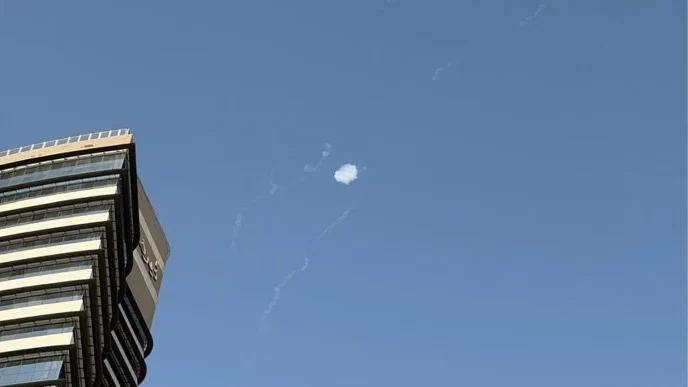
The attack by Iran, which involved hundreds of drones and missiles, was largely intercepted by Israeli and allied forces, preventing significant damage. Yet, the event undeniably ratcheted up tensions across the Middle East, leading to immediate calls for de-escalation from international bodies and world leaders. For countries like Bahrain, which hosts the U.S. Navy’s Fifth Fleet and maintains close ties with Western allies, such regional flare-ups carry significant implications for investment climates and sovereign risk assessments. The swiftness with which Bahrain entered the market could be interpreted in various ways – a demonstration of confidence in its economic resilience, a strategic move to secure funding before potential further instability, or simply adherence to a pre-scheduled financial calendar.
Sources close to the transaction indicated a strong interest from institutional investors, suggesting that while geopolitical risks are a factor, the underlying economic fundamentals and creditworthiness of Bahrain remain attractive to a segment of the global investment community. The offering was managed by a consortium of international and regional banks, including Citi, JPMorgan, HSBC, and Standard Chartered, alongside local institutions like Ahli United Bank. Their involvement highlights the sophisticated nature of these sovereign debt issuances and the extensive groundwork laid well in advance of any market entry.
Bahrain, like its Gulf Cooperation Council neighbors, has been actively pursuing economic diversification under its Vision 2030 plan, aiming to reduce reliance on oil revenues. Financing these initiatives often requires access to deep capital markets, making instruments like dollar bonds crucial. The successful execution of this bond sale, particularly under such challenging circumstances, will provide the kingdom with vital funds to continue its developmental projects and manage its debt profile even as the geopolitical landscape remains fluid. It also sends a message to the international community about the nation’s steadfast approach to its financial obligations and economic trajectory, regardless of the immediate regional anxieties.
The broader implications for Gulf states are clear: navigating the complex interplay of regional security dynamics and global financial markets is an ongoing challenge. While the immediate concerns centered on the Iran-Israel confrontation, the long-term economic strategies of nations like Bahrain continue to drive their interactions with international investors. This bond issuance serves as a tangible example of how these nations continue to operate and plan for their economic futures amidst ever-present geopolitical considerations.