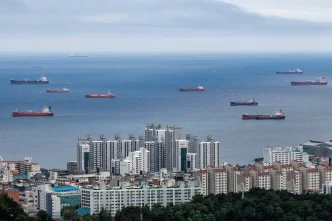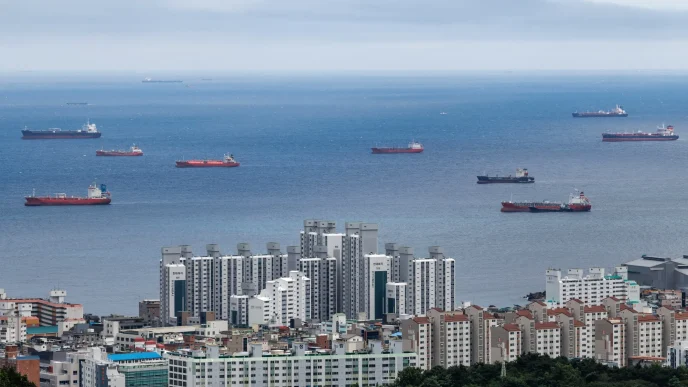

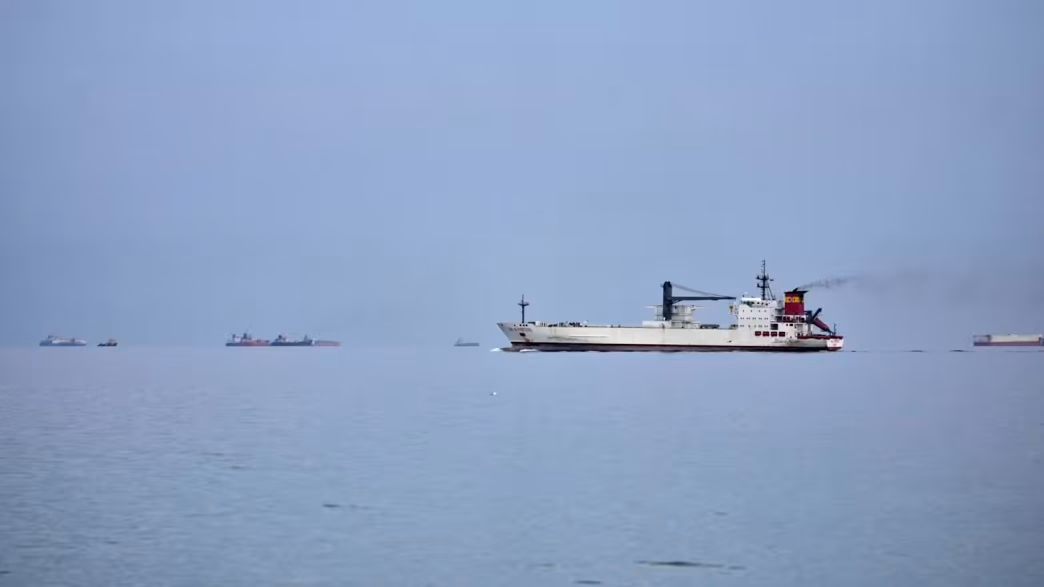
Even if the Strait of Hormuz were to fully reopen to unimpeded shipping tomorrow, the global fertilizer market faces a protracted recovery. Industry analysts and logistics experts are cautioning that the immediate relief many might expect from a resolution in the crucial shipping lane would be significantly delayed by a massive backlog of vessels and cargo. This isn’t merely about passage; it’s about a complex logistical snarl that has been tightening for weeks, impacting everything from vessel availability to port capacity and ultimately, the price and supply of critical agricultural inputs.
The ripple effect extends far beyond the immediate vicinity of the strait. Shipping companies rerouted vessels, often adding thousands of miles and weeks to transit times, burning more fuel, and increasing operational costs. Those ships must now re-establish their original routes or catch up on delayed schedules, a process that doesn’t happen overnight. Furthermore, the global fleet of specialized bulk carriers, particularly those equipped to handle granular fertilizers, is not infinitely flexible. Each vessel has a schedule, a crew, and often, subsequent contracts waiting. Unwinding the current disruptions will require a carefully orchestrated dance of rescheduling, rerouting, and repositioning.
Port congestion is another significant hurdle. While some ports might have seen a temporary lull in traffic due to rerouted ships, others have become choke points. When the backlog begins to clear, a surge of vessels arriving simultaneously could overwhelm facilities, leading to extended waiting times for offloading and reloading. This creates a domino effect: ships stuck at port cannot sail to collect their next cargo, further delaying subsequent shipments and exacerbating the overall bottleneck. The infrastructure, from cranes to storage facilities and inland transport networks, has a finite capacity, and exceeding it inevitably leads to delays.
The financial implications are equally substantial. Shipping rates have climbed as demand for available vessels outstrips supply, a cost that will inevitably be passed down the supply chain to farmers. Insurers, wary of the heightened risks in the region, have also adjusted premiums, adding another layer of expense. These increased costs, combined with potential delays in planting seasons for regions reliant on imported fertilizers, could translate into higher food prices and reduced agricultural output globally. The delicate balance of just-in-time supply chains has been thoroughly disrupted, and rebuilding that efficiency will be a painstaking process.
Moreover, the psychological impact on the market cannot be understated. Shippers, carriers, and buyers have adapted to a new, more uncertain operating environment. Even with a resolution in Hormuz, a lingering cautiousness about future disruptions could lead to longer lead times, larger buffer stocks, and a general reluctance to revert immediately to pre-crisis operational models. This behavioral shift, driven by a desire for greater supply chain resilience, will itself contribute to a slower return to normalcy in the fertilizer shipping sector. The journey back to a fluid, predictable shipping environment for fertilizers is likely to be measured in months, not weeks, even if the immediate geopolitical tensions in the Strait of Hormuz subside.