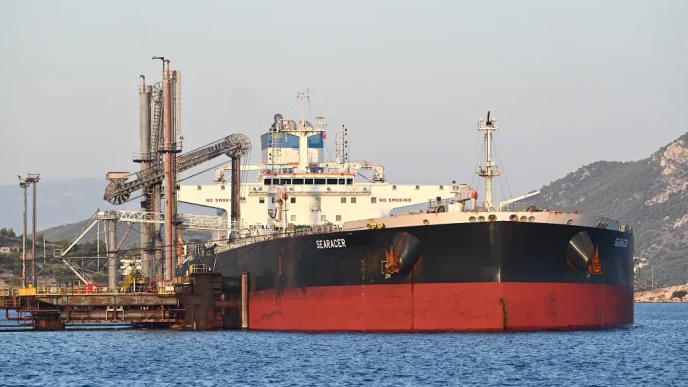

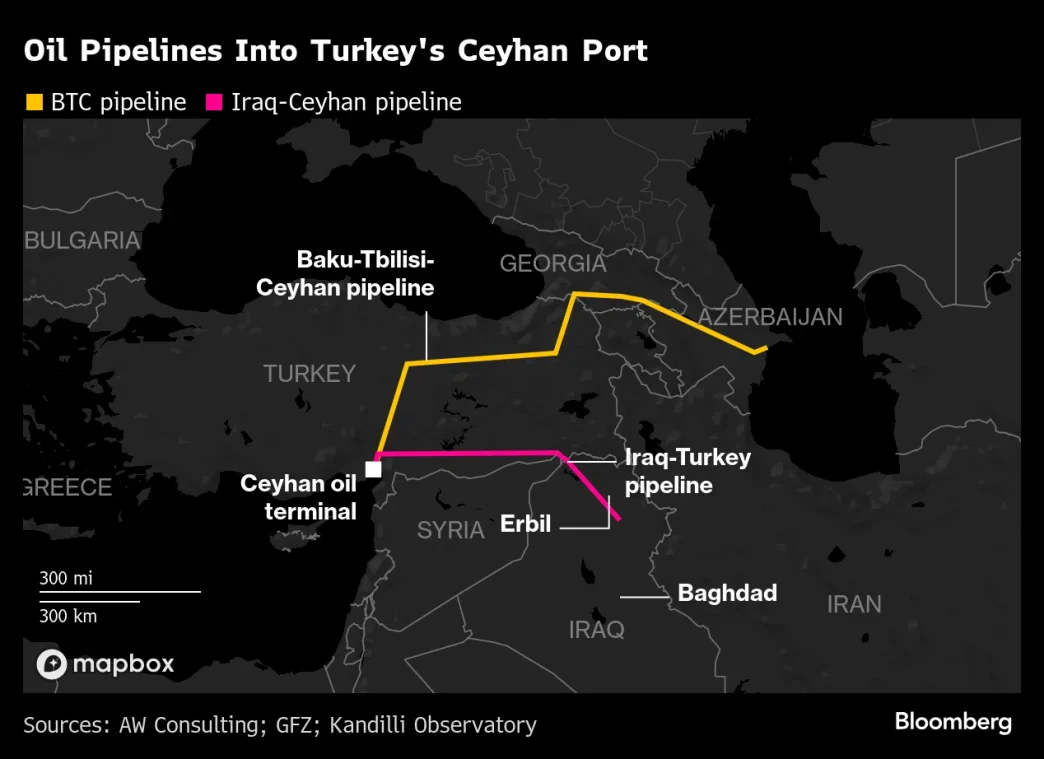
The long-standing agreement governing oil flow through the pipeline connecting Iraq’s northern Kirkuk fields to Turkey’s Mediterranean port of Ceyhan has reportedly been extended by an additional year. This development, confirmed by sources familiar with the negotiations, comes at a complex juncture for both nations, with ongoing arbitration cases and shifting geopolitical dynamics in the background. The pipeline, a critical artery for Iraqi crude exports, has been a linchpin of the economic relationship between Baghdad and Ankara for decades, facilitating a significant portion of Iraq’s oil revenue.
For much of its operational history, the pipeline has been central to the economic fortunes of Iraq’s Kurdistan Region. The Kurdistan Regional Government (KRG) had been exporting oil independently through this conduit since 2014, a practice that Baghdad consistently deemed illegal. This unilateral export activity became the subject of a protracted arbitration case at the International Chamber of Commerce (ICC) in Paris. In March of the previous year, the ICC ruled in Iraq’s favor, asserting that Turkey had violated a 1973 agreement by allowing the KRG to export oil without Baghdad’s consent. This ruling led to an immediate halt in pipeline flows, triggering significant economic repercussions for the KRG and impacting global oil markets.
Following the ICC decision, efforts to resume oil exports have been continuous but challenging. Negotiations between Baghdad, Ankara, and Erbil have focused on establishing a new framework for exports that aligns with the ICC ruling and addresses the financial implications for all parties. Iraq’s federal government has consistently sought to reassert its exclusive authority over all oil exports, including those originating from the Kurdistan Region. The reported one-year extension of the broader pipeline deal suggests a temporary measure, allowing more time for a comprehensive, long-term agreement to be hammered out, particularly concerning the revenue-sharing mechanisms and the role of Iraq’s state-owned marketer, SOMO.
The halt in exports through Ceyhan has forced the KRG to find alternative, albeit less efficient and more costly, ways to manage its crude production, including storage and limited domestic refining. For Turkey, the pipeline represents not only a source of transit fees but also a strategic energy asset, bolstering its position as a regional energy hub. The continuation of the deal, even for a limited period, underscores the mutual interest in maintaining the functionality of this critical infrastructure, despite the legal and political hurdles.
This extension arrives as the broader energy landscape in the Middle East remains volatile. Global demand for oil continues to be a driving factor, and any disruption to supply from major producers like Iraq has immediate international implications. The specifics of the renewed agreement, particularly regarding the conditions under which Kurdish oil might flow again and the financial arrangements, are expected to be scrutinized closely by market analysts and international observers. The coming year will likely see intensified diplomatic activity as Iraq and Turkey navigate the complexities of this vital energy partnership, seeking a resolution that satisfies sovereign rights while ensuring continued market stability.