
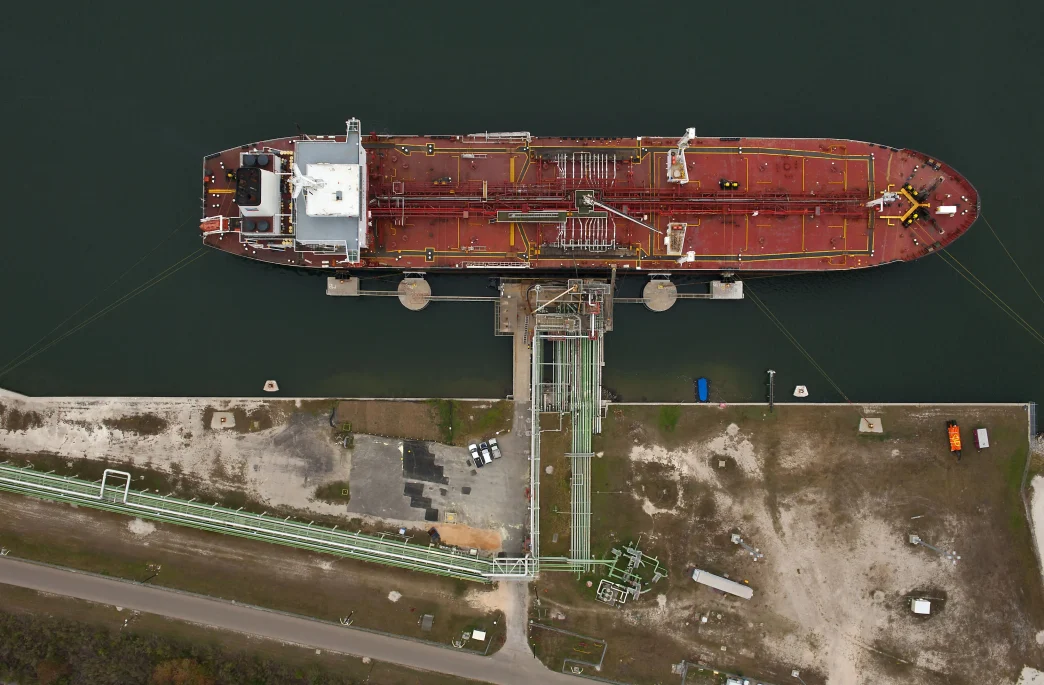
The global shipping market witnessed a significant upheaval this past week, as a series of strategic vessel acquisitions by Sinokor Merchant Marine sent benchmark rates for Middle East oil tankers soaring. This unexpected surge, particularly impacting Very Large Crude Carriers (VLCCs), has left analysts scrutinizing the ripple effects across the energy supply chain and raising questions about future market stability. The South Korean shipping giant’s aggressive move to purchase at least six VLCCs, reportedly from various sellers including Ridgebury Tankers and Euronav, injected an immediate and palpable scarcity into the available fleet, directly translating into higher charter costs.
Prior to Sinokor’s intervention, the tanker market, especially for VLCCs operating out of the Middle East Gulf, had been experiencing a period of relative dormancy, with rates hovering at levels that offered minimal profit margins for owners. The sudden absorption of a substantial chunk of the spot market fleet by a single entity like Sinokor fundamentally altered this dynamic. Charterers, accustomed to negotiating from a position of ample supply, found themselves competing for fewer vessels, pushing the Worldscale rate for the benchmark Middle East Gulf to China route from the low 40s to over Worldscale 60 in a matter of days. This represented a substantial increase in voyage costs for crude oil shipments from the region.
Industry insiders suggest Sinokor’s motivation extends beyond simple fleet expansion. Speculation abounds that the company may be positioning itself for a period of increased demand, potentially anticipating an uptick in global oil consumption or a shift in trading patterns that would favor larger vessels. Another theory posits that Sinokor could be consolidating its position to exert greater influence over specific trade routes or to capitalize on a predicted future tightening of environmental regulations, which might render older, less efficient vessels obsolete and thus increase the value of a modern fleet. Whatever the underlying strategy, the immediate impact on freight futures and forward freight agreements was undeniable, showing a clear upward trend.
The surge in rates has not been uniformly welcomed across the industry. While tanker owners with available tonnage are undoubtedly benefiting from the higher earnings, oil producers and refiners are now facing increased transportation costs, which could ultimately affect consumer prices. This sudden shift highlights the inherent volatility of the shipping sector, where a single large transaction can rapidly recalibrate market equilibrium. Brokers reported a flurry of activity as charterers scrambled to secure vessels before rates climbed further, creating a self-reinforcing cycle of demand and price escalation.
Observing the broader implications, analysts at major shipping consultancies are now revising their short-to-medium term forecasts for the crude tanker market. The Sinokor deal serves as a potent reminder of how fleet utilization and ownership concentration can swiftly dictate pricing power. It underscores the delicate balance between supply and demand in a capital-intensive industry susceptible to both geopolitical events and strategic corporate maneuvers. The coming weeks will reveal whether this rate surge is a temporary anomaly driven by a specific transaction, or if it signals a more fundamental shift in the underlying economics of Middle East oil transportation, with Sinokor at the forefront of that change.