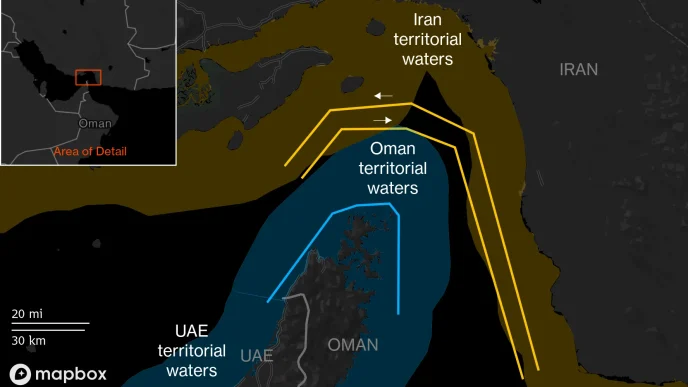

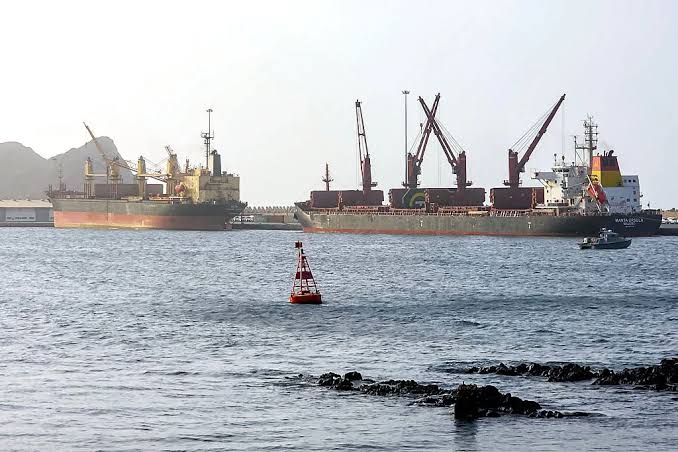
The strategic Strait of Hormuz, a critical chokepoint for global oil shipments, remains a focal point of international diplomacy as Iran indicates a potential breakthrough in ongoing negotiations. Tehran’s foreign ministry spokesperson, Nasser Kanaani, recently conveyed that while a deal regarding the strait’s future appears within reach, its finalization hinges entirely on the fulfillment of specific Iranian demands. These conditions, though not explicitly detailed in their entirety, are understood to encompass assurances of economic stability and the lifting of certain international sanctions that have long impacted the nation’s ability to freely export its resources.
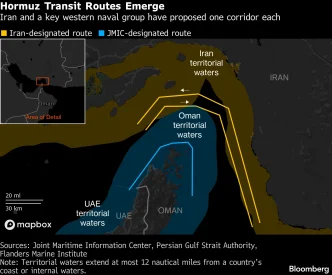
For months, discussions surrounding the security and accessibility of the Strait of Hormuz have been a delicate dance between various international actors. The waterway, through which roughly a fifth of the world’s total oil consumption passes daily, is not just an economic artery but also a geopolitical flashpoint. Any disruption, real or perceived, sends ripples through global energy markets, underscoring the urgency behind these diplomatic efforts. Iran, possessing a significant coastline along the strait, has consistently asserted its sovereign rights over the passage, often linking its cooperation to broader economic and security considerations.
The nature of these “conditions” remains a subject of intense speculation among analysts. Some suggest they relate directly to the unfreezing of Iranian assets held abroad, a recurring point of contention in past negotiations. Others believe the demands extend to guarantees against future unilateral sanctions, seeking a more predictable economic environment for the nation. The intricate web of international agreements and sanctions regimes makes any resolution particularly complex, requiring not just bilateral understanding but also broader international consensus, especially from nations heavily reliant on the strait for their energy supplies.
Previous attempts to de-escalate tensions and formalize agreements concerning the Strait of Hormuz have often stumbled on similar issues of trust and economic guarantees. The current pronouncement from Tehran, however, carries a distinct tone of cautious optimism, suggesting that the distance between negotiating parties may have narrowed considerably. This development comes at a time when global energy markets are already grappling with various uncertainties, making any prospect of stability in such a crucial region particularly welcome.
Observers are now closely watching for subsequent statements from other involved nations and international bodies, eager to glean further details on the proposed terms and the likelihood of their acceptance. The path to a comprehensive agreement is rarely straightforward, particularly when dealing with issues of national sovereignty and critical economic interests. However, the explicit mention of a deal being “close” by Iranian officials does inject a new dynamic into the protracted discussions, signaling a potential shift in the diplomatic landscape surrounding one of the world’s most vital maritime passages. The next few weeks could prove instrumental in determining whether these talks culminate in a tangible agreement or if the complex conditions prove too difficult to reconcile.