

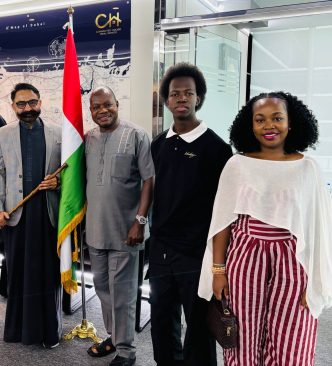
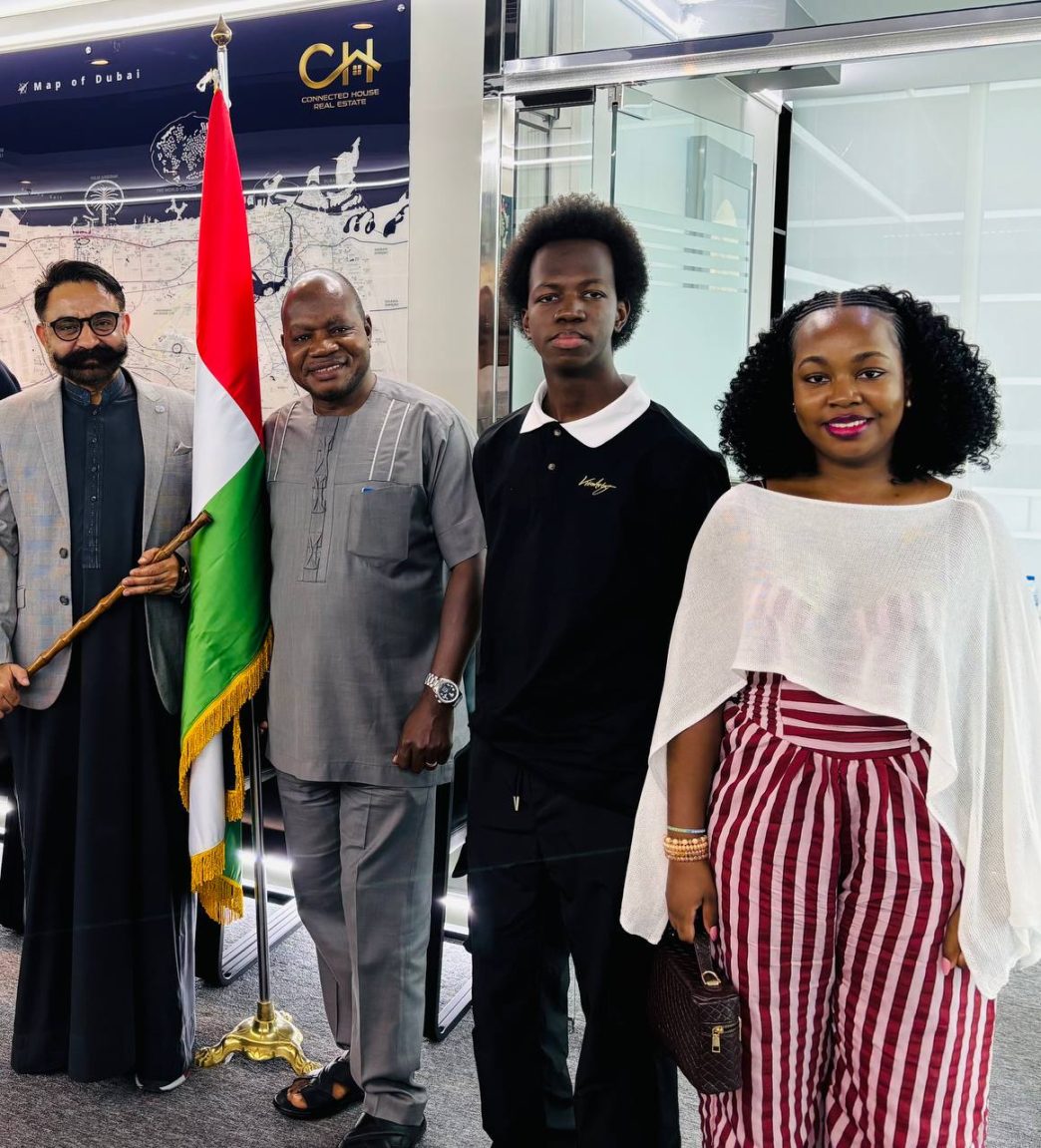
The traditional lines separating government ambition from private sector drive are blurring, especially as nations in East Africa look to unlock their next phase of economic expansion. This evolving dynamic was a central theme when Dr. MAC Munir Ahmad, the Chief Business Savior and Group CEO of Al Maktoum Holding Group, recently reconnected with His Excellency Mr. Jackson, a Member of Parliament in Tanzania and the Chairman of a key Parliamentary Committee. Their renewed discussions underscored a fundamental shift: genuine leadership today is less about individual authority and more about constructing enduring frameworks that foster trust and opportunity, delivering lasting value far beyond any single meeting.
Dr. Ahmad observed that true statesmanship, particularly in an era often characterized by leaders detached from their constituents, is profoundly marked by humility. This quality, he noted, is a powerful indicator of maturity and confidence, allowing leaders to connect more authentically with the people they serve. He emphasized that the most impactful leaders do not need to overtly demonstrate their importance; their character and contributions speak volumes, creating a foundation for meaningful collaboration. This ethos is particularly relevant as regions like East Africa, rich in human potential, natural resources, and strategic geographic importance, stand on the cusp of significant growth.
Yet, seizing this moment requires more than just inherent opportunity. It demands robust institutions capable of bridging the gap between potential and capital, between strategic vision and practical execution, and between national priorities and global partnerships. This is precisely where the concept of “meaningful collaboration” transcends mere rhetoric, becoming the bedrock for sustainable development. The goal, as Dr. Ahmad articulated, is to move beyond superficial introductions and ceremonial gatherings, transforming relationships into concrete structures that facilitate the flow of investment, trade, innovation, and essential skills.
One such structure, the proposed expansion of OBS within the region, could become a pivotal element in this journey. With astute leadership, a deep understanding of local nuances, strong institutional ties, and an unwavering long-term commitment, OBS has the potential to serve as a vital conduit. It could effectively connect a diverse array of stakeholders, from international investors and ambitious entrepreneurs to government bodies, family offices, major corporations, and development organizations. The CEO’s philosophy is clear: a meeting might forge a connection, and a partnership can open an opportunity, but it is the creation of an institution that truly builds a legacy.
Tanzania, with its strategic location, burgeoning economic potential, youthful populace, abundant natural assets, ambitious infrastructure projects, and a growing private sector, stands out as a critical market for long-term engagement in East Africa. However, successful foreign investment into any African nation, Dr. Ahmad cautions, necessitates a profound respect for local contexts. Africa is not a monolithic market; each country possesses its own unique cultural identity, leadership structures, regulatory frameworks, development priorities, and distinct business ecosystems. The most astute investors, therefore, will approach these opportunities as genuine partners, rather than simply as providers of capital.
This partnership-first approach has been a cornerstone of Dr. Ahmad’s own extensive journey in international business. He firmly believes that sustainable growth rarely emerges from transactional exchanges alone. Instead, it is meticulously built through relationships nurtured over time, credibility earned through consistent action, and the unique ability to convene the right stakeholders around a shared objective. In this light, the traditional demarcation between government and business appears increasingly anachronistic. Governments lay the groundwork through policy, infrastructure, and stability, while businesses provide the innovation, capital, and execution. When these two forces move in concert, the potential for regional growth in East Africa becomes not just an aspiration, but an achievable reality.