
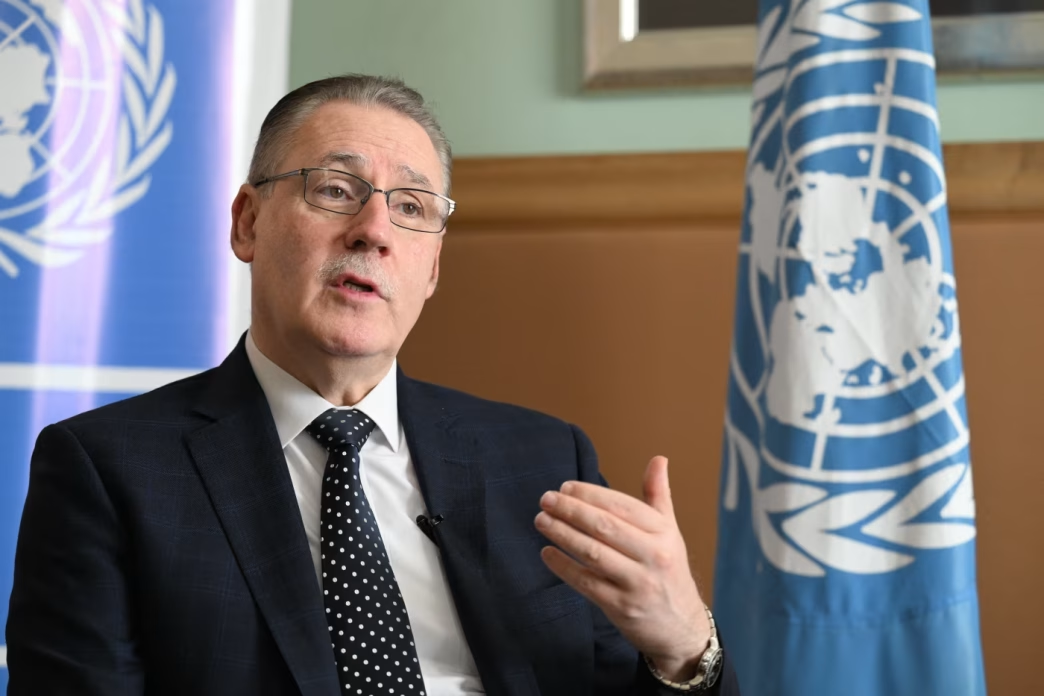
The US war on Iran and Tehran’s retaliation, including the blockade of the Strait of Hormuz, cost Arab economies nearly $150 billion in the first month alone, roughly 4% of regional GDP, according to Rania Al-Mashat, the United Nations Under-Secretary-General and Executive Secretary of the Economic and Social Commission for Western Asia. Her assessment carries a pointed message for the region’s governments: the damage exposed weaknesses that defense spending alone won’t fix.
The immediate economic toll came through familiar channels. Strikes on critical infrastructure and the disruption of shipping through Hormuz, one of the world’s most important oil chokepoints, hit regional economies hard enough that governments were forced to redirect spending toward defense and redundant infrastructure in the war’s immediate aftermath, reallocations that came at the direct expense of longer-term development priorities.
Al-Mashat’s argument is that this reactive pattern, pouring money into defense and duplicated infrastructure once a crisis hits, is precisely the vulnerability Arab states need to move away from. Her call for investment in productive sectors frames the war less as a one-off shock to absorb and more as a stress test that revealed how exposed regional economies remain when a single chokepoint disruption can wipe out 4% of GDP in a month.
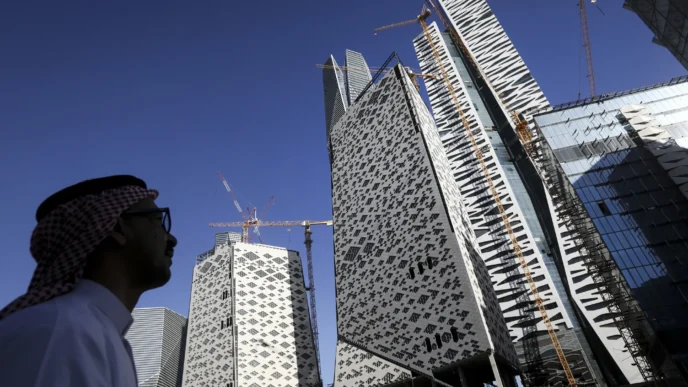
Some of that shift is already visible. Saudi Arabia updated its Vision 2030 diversification strategy into a new 2026-2030 framework, redirecting focus toward sectors expected to generate durable returns: tourism, industry, AI and logistics, with much of the capital flowing through the Public Investment Fund. The pivot suggests the Kingdom is treating the war's economic lesson less as a call for more defensive spending and more as validation of the diversification push it was already pursuing.
The broader test for the region is whether other Gulf and Arab economies follow a similar path rather than defaulting back to defense-heavy budgets once the immediate crisis fades from memory. Al-Mashat's framing puts the burden on governments to treat productive-sector investment as the actual insurance policy against future shocks, rather than military and infrastructure redundancy that addresses the last crisis without building resilience against the next one.
With regional GDP already absorbing a measurable hit and the Strait of Hormuz remaining a persistent point of vulnerability, the UN's message is essentially a bet on economic diversification over military hardening as the more durable response. Whether Arab states follow through at the scale Al-Mashat is calling for will likely become clearer as 2026-2030 investment plans move from strategy documents into actual capital deployment.