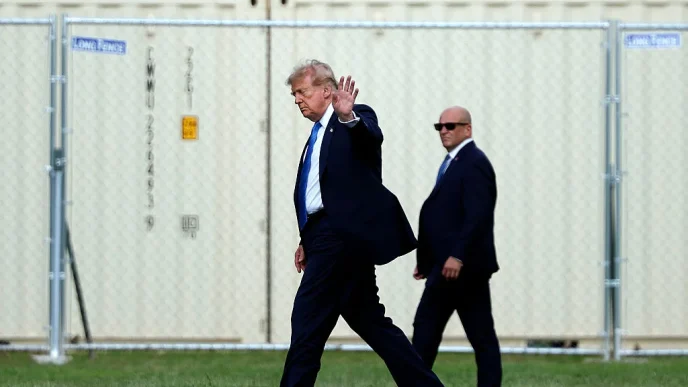

President Donald Trump recently articulated that the United States is embarking on an “economic warfare” operation targeting Iran, a declaration that marks a significant escalation in the already tense relationship between Washington and Tehran. This pronouncement arrived amidst a backdrop of heightened geopolitical friction in the Middle East, with both nations trading accusations regarding regional destabilization and nuclear ambitions. The phrase “economic warfare” itself signals a more aggressive posture than previous sanctions-based strategies, suggesting a comprehensive and sustained effort to pressure the Iranian regime through financial and trade restrictions.
The implications of such a stated policy are far-reaching, potentially impacting global oil markets, international shipping lanes, and the broader diplomatic landscape. While the United States has long employed sanctions against Iran, particularly since its withdrawal from the Joint Comprehensive Plan of Action (JCPOA) in 2018, the use of the term “economic warfare” by a sitting president redefines the nature of these measures. It frames them not merely as punitive actions but as an active, strategic campaign designed to achieve specific political outcomes, presumably a change in Iranian behavior regarding its nuclear program, ballistic missile development, and support for regional proxy groups.
Administration officials, speaking on condition of anonymity, have indicated that this intensified economic pressure aims to further isolate Iran from the global financial system and cripple its ability to fund activities deemed hostile by Washington. The strategy appears to focus on maximizing the impact of existing sanctions, which already target Iran’s oil exports, banking sector, and key industries. For instance, the US has repeatedly warned countries and companies against doing business with Iran, threatening secondary sanctions against those who violate the restrictions. This has led to a significant reduction in Iran’s oil sales, a crucial source of revenue for the Islamic Republic, and has contributed to severe economic hardship within the country.
Internationally, the reaction to President Trump’s statement has been varied. European allies, who largely remain committed to the JCPOA, have expressed concern that an overt declaration of “economic warfare” could further destabilize the region and complicate efforts to de-escalate tensions. They have consistently advocated for diplomatic solutions and have attempted to create mechanisms, such as the Instrument in Support of Trade Exchanges (INSTEX), to facilitate legitimate trade with Iran while circumventing US sanctions. However, these efforts have largely struggled to gain traction due to the overwhelming power of the US financial system and the fear of American penalties.
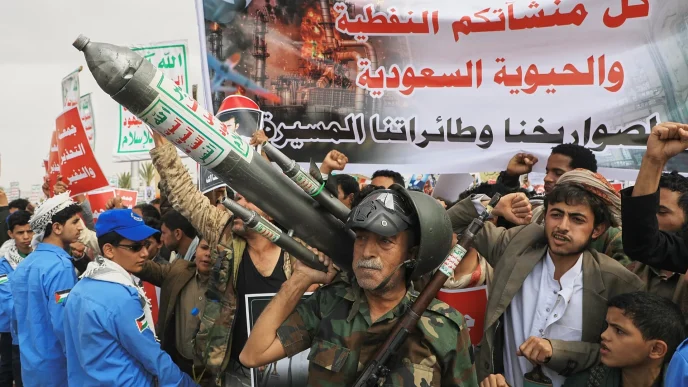
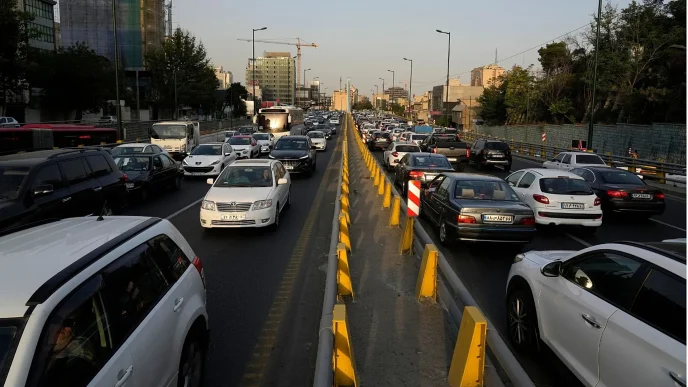
Within Iran, the government has denounced the US actions as illegal and a violation of international law, vowing to resist the pressure. Iranian leaders have frequently characterized the sanctions as acts of terrorism and have sought support from other nations, particularly China and Russia, to mitigate their impact. The country’s economy has been under immense strain, marked by high inflation, currency devaluation, and widespread public discontent. The declared “economic warfare” is likely to exacerbate these internal challenges, raising questions about the regime’s long-term stability and its capacity to manage the escalating crisis.
Observers suggest that the US strategy is a high-stakes gamble, aiming to force Iran back to the negotiating table on terms more favorable to Washington, or to provoke internal changes within the country. However, there is also a risk that such aggressive economic measures could backfire, leading to further entrenchment of hardliners in Tehran, increased regional instability, or even direct military confrontation. The coming months will reveal the true extent and effectiveness of this declared “economic warfare” and its profound implications for global security and economic stability.