
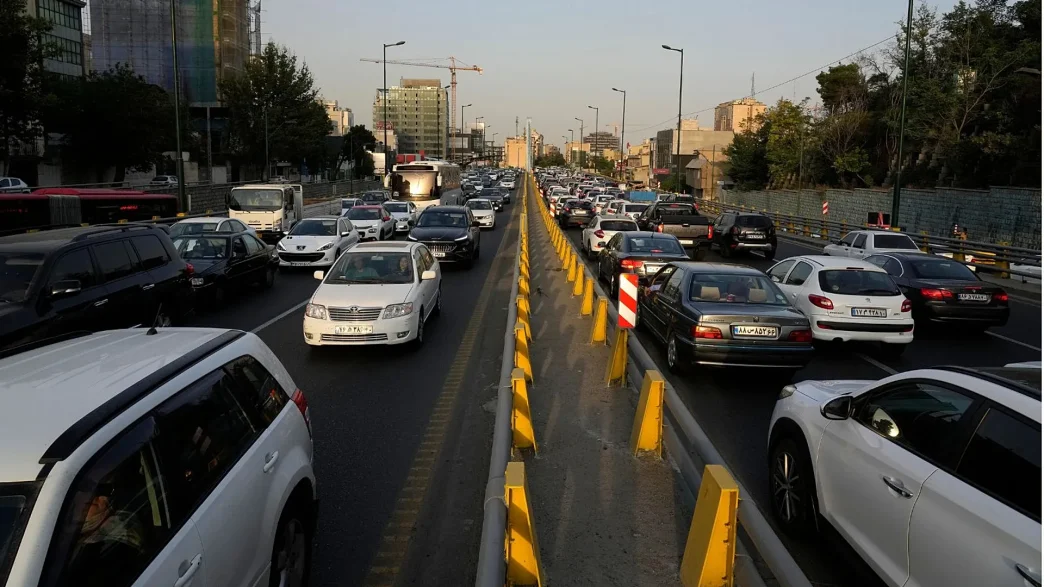
Kilometre-long lines of vehicles snaked outside petrol stations across Tehran and other Iranian cities in the early hours of Thursday, a stark visual representation of a looming fuel crisis. This sudden surge in demand, fueled by panic buying and official acknowledgements of impending price hikes, underscores the deepening economic strain on the Islamic Republic, already grappling with international sanctions and structural vulnerabilities. The scenes of desperation at the pumps, captured in social media videos from the capital and nearby Karaj, saw several stations close their doors before the queues could be fully served.
Officials have been quick to attribute the rush to unfounded rumors of shortages, yet their simultaneous confirmation of future price adjustments contradicts this narrative. Mohammad Sadegh Azimifar, managing director of the National Iranian Oil Products Refining and Distribution Company, noted a 30% increase in consumption within Tehran province. While he insisted the supply chain remained stable, the reality on the ground suggested otherwise. Keramat Veis-Karami, managing director of the National Iranian Fuel Distribution Company, corroborated the spike in demand, reporting that average daily distribution climbed from 138 million litres in Mordad to 150 million litres on Wednesday, a figure significantly above normal levels. Despite this, Veis-Karami dismissed the shortage reports as baseless, urging drivers to avoid queuing unless absolutely necessary.
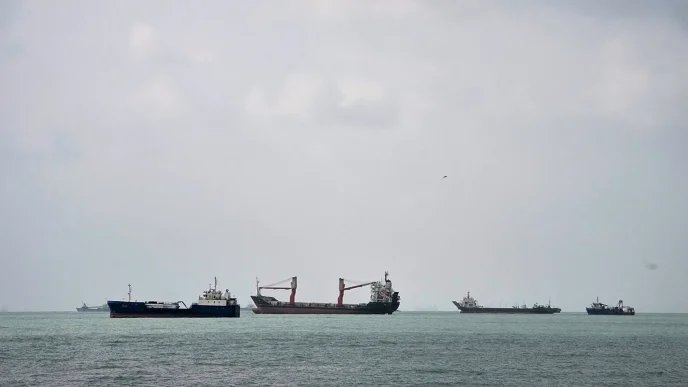
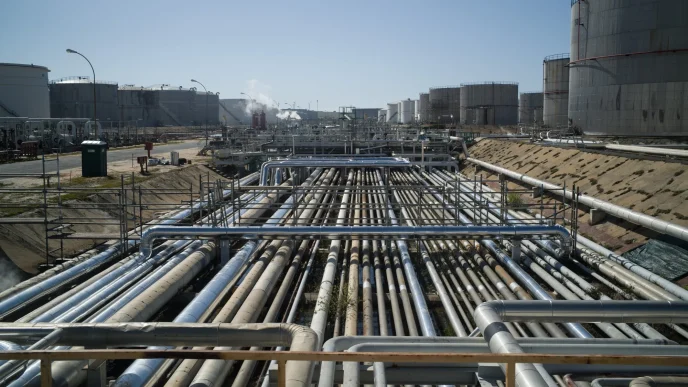
The underlying issue extends beyond mere rumor. A daily shortfall of 15 million litres of fuel is a direct consequence of a confluence of factors, including US sanctions curtailing imports, US-Israeli strikes impacting Iranian refining infrastructure, and a naval blockade on Iranian ports that has been in place since late February. These external pressures exacerbate an already challenging domestic economic environment. Vice President for Executive Affairs Mohammad Jafar Ghaempanah articulated the government’s stance on Wednesday evening, stating that changes to petrol and diesel prices are now inevitable. Speaking to Gilan provincial television, Ghaempanah confirmed that while the “way, extent and timing” of these changes are still under discussion, the current subsidy system is deemed unsustainable, disproportionately benefiting vehicle owners.
Any alteration to fuel prices in Iran carries substantial political risk, a lesson learned from recent history. A previous attempt to raise petrol prices in November 2019 ignited widespread protests, which human rights organizations estimate resulted in approximately 1,500 fatalities in what became the deadliest crackdown since the 1979 revolution. More recently, in December 2025, Iran experienced nationwide protests fueled by persistent hyperinflation, which security forces suppressed with lethal force, leading to tens of thousands of casualties. The Pezeshkian government has yet to announce a firm date for the upcoming increase, undoubtedly weighing these past events.
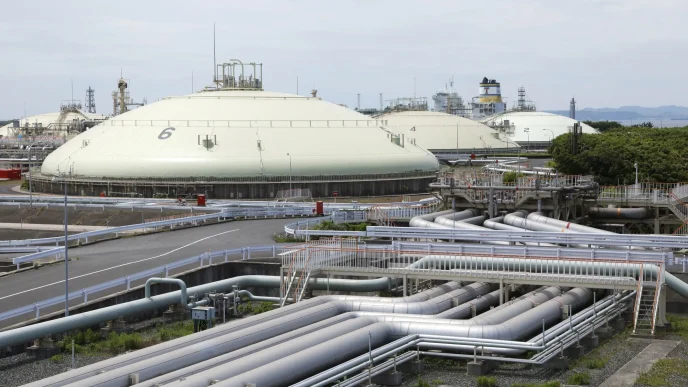
Adding another layer of complexity, reports within Iranian media point to an internal disagreement between the Islamic Revolutionary Guard Corps (IRGC) and the government regarding access to strategic fuel reserves. The IRGC is reportedly resisting Tehran’s unrestricted use of these stockpiles, though neither party has publicly confirmed the dispute. This internal friction, if true, could further complicate the government’s ability to manage the current supply challenges.
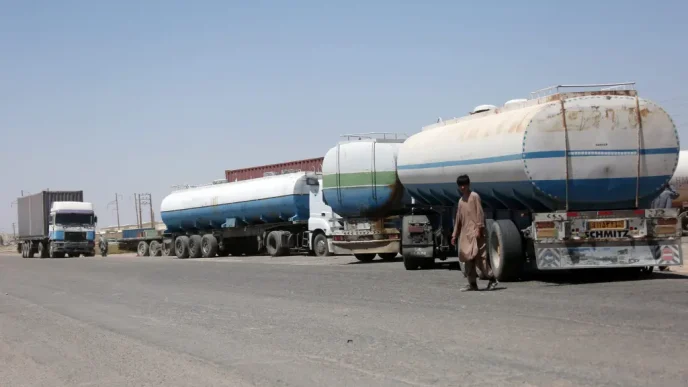
Compounding the domestic supply pressures is the pervasive issue of fuel smuggling. Iranian authorities recently dismantled a 6-kilometre pipeline, buried beneath beach sand and seawater, in the south of the country, which was being used to illicitly transport fuel out of Iran. Separately, the Bandar Abbas maritime security unit intercepted over 12,000 litres of smuggled diesel, valued at approximately €10,000 at the open-market exchange rate. These incidents highlight the significant economic incentive for illegal fuel trade, draining precious resources from the national supply and further straining an already fragile system. As queues lengthen and uncertainty mounts, the decisions made by Tehran in the coming days will be closely watched, both domestically and internationally.