


The Middle East dealmaking boom that produced headline grabbing transactions in 2025 has run into a harsh reality. Mergers and acquisitions involving companies in the Gulf slumped to about $5 billion in the third quarter, the lowest level since 2022 and a sharp drop from $69 billion a year earlier, according to data compiled by Bloomberg.
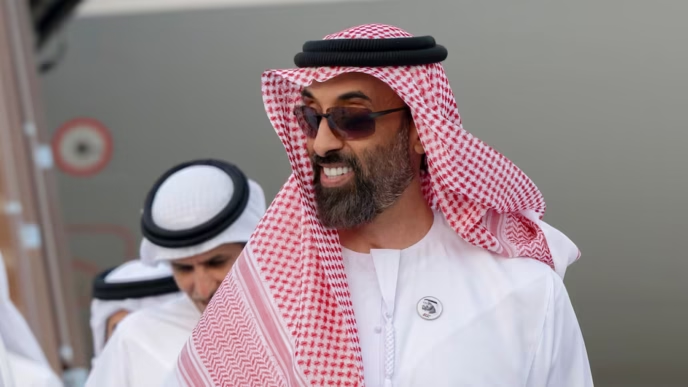
Photo: Fadel Senna / AFP / Getty Images
From euphoria to caution
Last year, the region seemed unstoppable. The $55 billion purchase of Electronic Arts Inc. became a symbol of Gulf ambition, with sovereign wealth funds and family offices competing for global assets. Investors talked about Abu Dhabi, Riyadh, Doha, and Kuwait City as the new centers of deal flow, flush with oil revenue and determined to diversify.
That mood has changed. The war with Iran has made executives and boards reluctant to commit capital to long dated transactions. Shipping disruptions, volatile energy prices, and the risk of a wider regional escalation have turned what looked like a manageable risk into a central concern for anyone underwriting a deal.
The fourth quarter looks worse
The slowdown has accelerated in the fourth quarter. Deal values have fallen more than 90% compared with the same period a year earlier, the data show. The pipeline of announced transactions has thinned, and several processes that were expected to close before year end have been pushed into 2027 or abandoned altogether.
Bankers who spent 2025 pitching Gulf clients on blockbuster acquisitions are now advising caution. Financing has become more expensive and harder to arrange, while due diligence timelines have stretched as buyers try to understand how the conflict affects everything from supply chains to insurance costs.
US politics adds uncertainty
Complicating matters further, the political landscape in Washington has shifted. Deal makers are bracing for greater scrutiny of megadeals, particularly those with ties to foreign capital and strategic industries. The combination of a conflict in the Middle East and a more skeptical regulatory environment in the United States has made cross border transactions especially difficult to execute.
For Gulf buyers, this is a double blow. Many of the region's most active acquirers depend on access to US and European assets to achieve their diversification goals. If those markets become less welcoming, the investment case for some deals collapses even before the Iran risk is considered.
What comes next
The Gulf still has enormous financial firepower. Sovereign wealth funds remain among the largest pools of capital in the world, and the long term push to reduce dependence on oil has not gone away. But capital is not the same as confidence, and confidence has taken a hit.
Until there is more clarity on the Iran conflict and on the direction of US antitrust and foreign investment policy, deal activity is likely to remain subdued. The region's dealmakers may have to settle for smaller, safer transactions closer to home rather than the transformational global bets that defined the boom.