
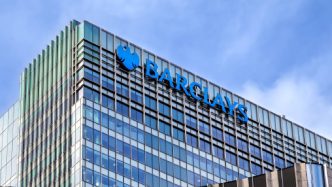
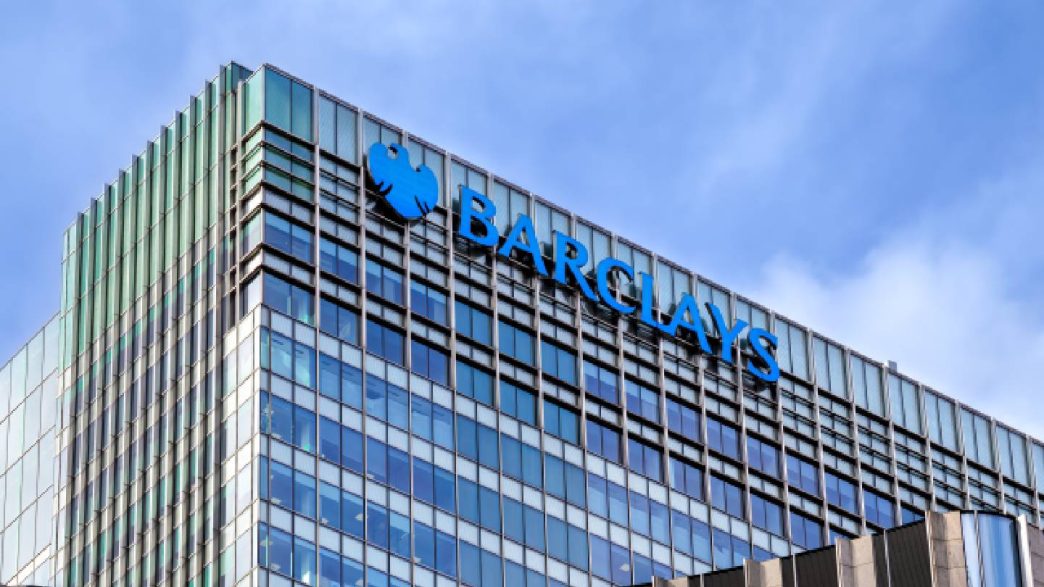
Barclays has opened a new office in Saudi Arabia, returning to the kingdom more than a decade after it left as security conditions in the region deteriorate because of stepped-up Houthi rebel attacks.
Photo: Taljat David/Shutterstock.com
The British bank said on Monday that the new office is located in Riyadh’s King Abdullah Financial District, the gleaming business hub that was struck by a Houthi drone-and-missile attack only a day earlier. The assault caused limited damage to the nearby Saudi Aramco tower but underscored the risks facing companies that are deepening their presence in the kingdom.
A strategic return
Barclays received an operational licence from Saudi Arabia’s Capital Market Authority last year, after first obtaining a regional headquarters licence. The bank said the Riyadh office will support investment banking and global markets activities, giving it a fuller platform after years of working in the kingdom through a lighter footprint.
The lender appointed Majed Al Hassoun as chief executive officer and head of investment banking for Barclays Capital Saudi. Al Hassoun’s hiring is part of a broader effort to staff the new franchise with regional talent and signal a long-term commitment to Saudi clients.
Expansion amid tension
The opening comes as Yemen’s Houthi rebels continue to target Saudi infrastructure, including airports and energy facilities. In October, strikes on the kingdom’s main airports killed more than a dozen people, disrupted flights, and forced the postponement of the high-profile Future Investment Initiative conference until 2027. On Sunday, a projectile hit the Saudi Aramco tower in Riyadh’s financial district, the Wall Street Journal reported, citing regional officials.
Despite the violence, Barclays said it remains committed to Saudi Arabia. "By investing in regional talent, we continue to deepen our presence and reaffirm our commitment to Saudi Arabia's future," chief executive C. S. Venkatakrishnan said in a statement.
Why Saudi Arabia matters
The kingdom has been pushing international companies to set up regional headquarters in Riyadh as part of Crown Prince Mohammed bin Salman's Vision 2030 plan to diversify the economy away from oil. Barclays' return follows its decision in 2014 to cancel its securities business in the country during a wider global retreat under then-chief executive Antony Jenkins.
Saudi Arabia has since become one of the busiest markets in the Middle East for investment banking, sovereign wealth deals, and capital markets activity. The Public Investment Fund has remained active even as the war with Iran stretches into its ninth month and the closure of the Strait of Hormuz strains public finances.
What comes next
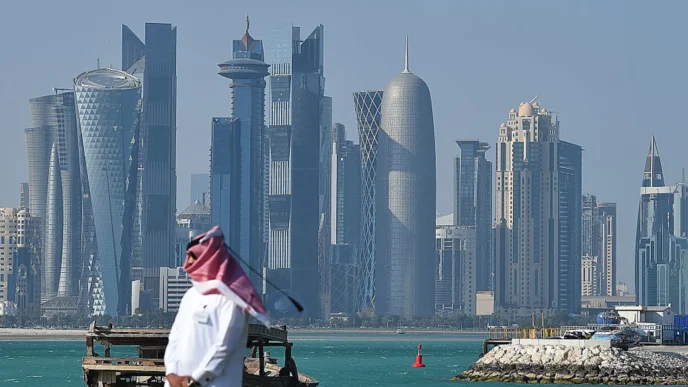
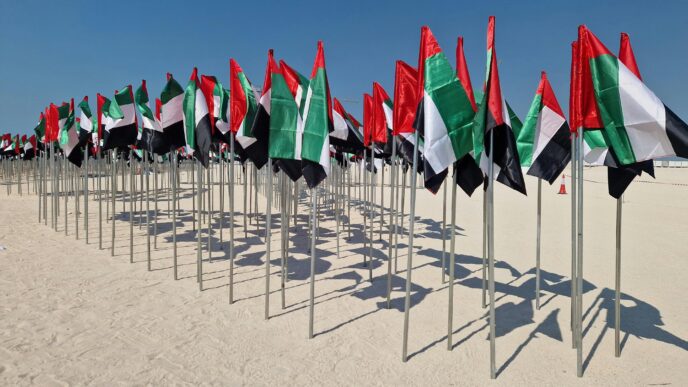
For Barclays, the Riyadh office is a bet that Saudi Arabia will continue to deepen and diversify its capital markets even as regional security risks rise. The bank already operates in the United Arab Emirates and Qatar, and the Saudi expansion is meant to round out its Gulf presence.
The move also puts Barclays in closer competition with global and regional lenders that have raced to expand in the kingdom. How quickly it can win mandates will depend partly on whether it can persuade clients that it can operate smoothly through periods of instability.