
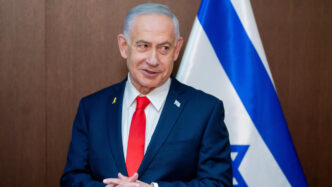
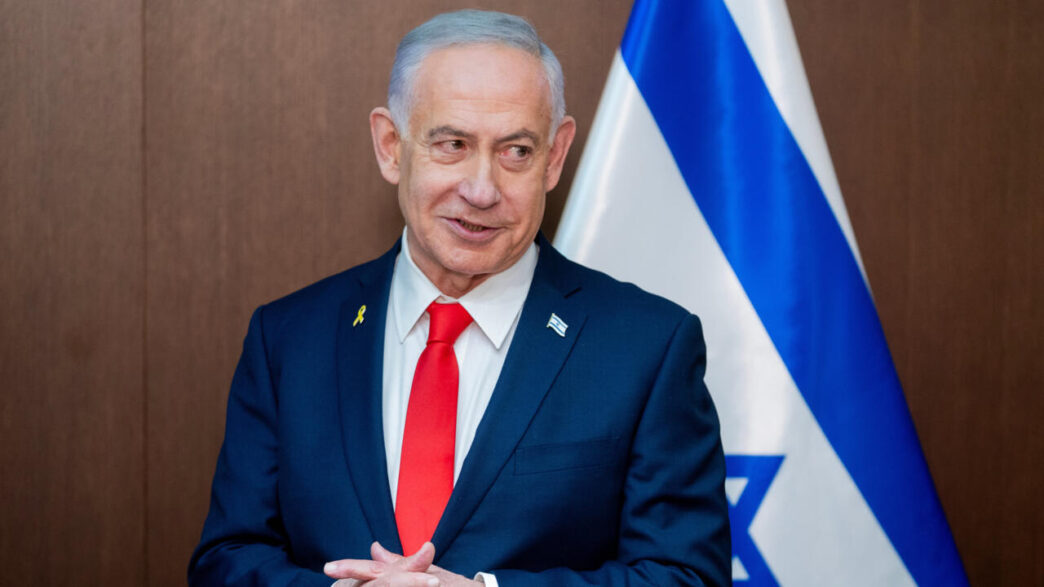
Israeli politics has never lacked for drama, but the revelation that Prime Minister Benjamin Netanyahu is exploring the possibility of securing a presidential pardon in his long-running graft trial marks one of the most extraordinary developments in the country’s modern history. It introduces profound constitutional, ethical, and political questions at a moment when Israeli society is already polarized by security challenges, judicial reform battles, and deep mistrust in political institutions.
Netanyahu—Israel’s longest-serving leader and a towering figure in global politics—has been on trial since 2020 for charges of bribery, fraud, and breach of trust in three separate corruption cases. He has denied wrongdoing, portraying the proceedings as a politically motivated witch hunt orchestrated by opponents, media elites, and elements of the judiciary.
Now, his alleged pursuit of a presidential pardon raises the stakes dramatically. It suggests that Israel’s most influential political actor is contemplating a route that could not only reshape the outcome of his personal legal battles but also redefine the boundaries between the executive, judicial, and ceremonial powers of the Israeli state.
The Significance of a Presidential Pardon: Not Just Legal, but Constitutional
In Israel, the president—currently Isaac Herzog—holds the power to grant pardons. While mostly ceremonial, this authority has enormous constitutional weight. Pardons are typically issued for humanitarian reasons, post-sentencing relief, or exceptional cases where justice is seen as overreaching.
A sitting prime minister seeking such a pardon would be unprecedented.
Legal Experts Warn of a Collision Between Branches of Government
Prosecutors and legal scholars have raised three fundamental concerns:
- The integrity of the trial process: A pardon request before a verdict could undermine judicial independence.
- The separation of powers: Granting immunity to an active political leader risks turning the presidency into a political tool.
- The precedent: If accepted, future leaders facing criminal trials might view pardons as a viable political escape hatch.
Israel’s Basic Laws—the closest equivalent to a constitution—were not designed to handle a scenario where an incumbent prime minister seeks immunity from prosecution via presidential intervention.
Netanyahu’s Calculations: Political Survival, Legal Fear, or Strategic Leverage?
Netanyahu’s motivations may be multi-layered.
1. Protecting Political Longevity
Netanyahu’s political base remains loyal, but the graft trial has created vulnerabilities within his coalition. A pardon would remove the legal uncertainty hanging over his leadership.
2. Preventing a Potential Conviction
While a conviction is not guaranteed, the prosecution’s evidence—communications with media moguls, gifts received from wealthy benefactors, and alleged quid-pro-quo arrangements—poses real risks.
3. Strategic Pressure on Coalition Partners
Hints of a pardon attempt could be an attempt to bind coalition members closer, forcing them to choose between supporting Netanyahu or risking political instability.
4. Setting the Narrative
By framing the pardon as necessary to “save Israel from judicial overreach,” Netanyahu could rally supporters around a theme already central to his political messaging.
Political Fallout: Coalition Turbulence and Opposition Outrage
Netanyahu leads a coalition reliant on far-right and ultra-Orthodox parties. The prospect of a pardon introduces new fault lines.
Within the Coalition
- Some partners may support a pardon as a way to preserve coalition stability.
- Others fear the move could spark public backlash and early elections.
- Ultra-Orthodox parties may back Netanyahu, seeing him as essential to their policy agenda.
Among the Opposition
Centrist and left-wing parties accuse Netanyahu of attempting to subvert the rule of law. Many argue that the prime minister should step down if he seeks personal legal relief.
For opposition leaders, the pardon push confirms their claim that Netanyahu’s judicial reform agenda was always partly motivated by personal legal concerns.
Public Reaction: A Deeply Divided Society
Israelis remain sharply divided over the Netanyahu corruption cases.
Supporters argue:
- The trial is politically motivated.
- Netanyahu is being targeted because of his strength and leadership.
- A pardon would help the country move past years of political paralysis.
Critics warn:
- A pardon would erode the rule of law.
- Israel would be seen as a state where political elites can evade justice.
- It could trigger mass protests, similar to the 2023 anti-judicial-reform demonstrations.
The result is a heightened sense of national tension, with risks of renewed social unrest.
How President Herzog Fits Into the Equation
President Isaac Herzog is generally viewed as a stabilizing, moderate figure. He mediated past political crises and has repeatedly urged national unity. A pardon decision involving Netanyahu would put him in the most politically sensitive position of his presidency.
Herzog’s dilemmas include:
- Maintaining public trust
- Avoiding the perception of political interference
- Upholding the credibility of the judiciary
- Preventing national division from deepening
Even considering a pardon could damage the presidency’s nonpolar nature.
Implications for Israel’s Democracy and International Standing
1. Institutional Stability
A pardon could weaken confidence in Israel’s legal institutions, which have historically been among the strongest in the Middle East.
2. International Reputation
Israel’s democratic partners—particularly in the U.S. and Europe—may view a pardon as a concerning erosion of judicial independence.
3. Economic and Business Climate
Political instability and weakened rule-of-law perceptions could affect investor confidence, especially in Israel’s booming tech sector.
4. Precedent for Future Leaders
What Netanyahu does now could reshape norms around corruption trials for generations of future Israeli politics.
Possible Outcomes: What Comes Next?
Several scenarios could unfold:
Scenario 1: Netanyahu Formally Requests a Pardon
This would ignite a constitutional battle and force President Herzog to make a defining decision.
Scenario 2: Political Maneuvering Blocks a Pardon Attempt
Coalition partners or public pressure may prevent Netanyahu from formally submitting the request.
Scenario 3: The Trial Advances Normally
Netanyahu may be using the threat of a pardon as political leverage, without intending to pursue it fully.
Scenario 4: A Conditional or Partial Pardon
Similar to plea-bargain negotiations, a compromise could emerge—though legal experts say such arrangements would be highly controversial.
Conclusion: A Pivotal Moment in Israel’s Democratic Trajectory
Netanyahu’s exploration of a presidential pardon marks a critical inflection point in Israel’s democratic evolution. It touches the core principles of judicial independence, political accountability, and constitutional balance. Whether the pardon is pursued or merely hinted at, the controversy already deepens Israel’s internal divides and tests the resilience of its governmental institutions.
As the trial continues and political negotiations intensify, the question is not simply whether Netanyahu will receive a pardon—it is whether Israel’s democratic framework can withstand the immense pressure now placed upon it.
The coming months will reveal whether this moment becomes a brief political maneuver or a historic turning point for one of the world’s most enduring and outspoken democracies.