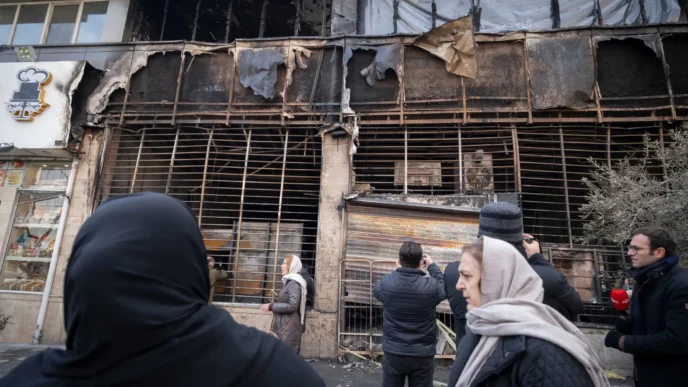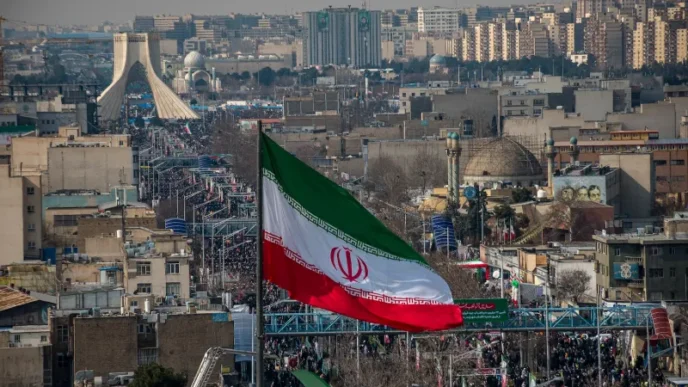

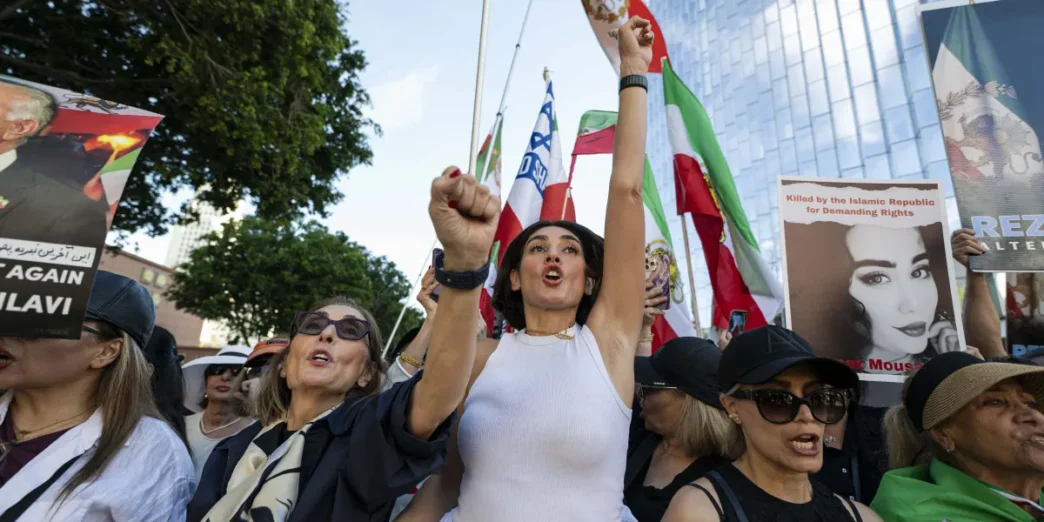
The streets of Iran’s capital erupted on December 28, 2025, as protests ignited over soaring prices and a collapsing economy. These demonstrations quickly spread nationwide, evolving into a significant movement directly challenging Iran’s theocratic government, led by Ayatollah Ali Khamenei. In the three weeks since, reports indicate thousands have died, victims of a violent state crackdown. A grim statistic suggests the majority of those killed are under 30, reflecting the country’s youthful demographic, a legacy of the post-1979 revolution baby boom.
Among the reported casualties, despite a government-imposed internet blackout making information scarce, a few names have emerged, painting a stark picture of the human cost. Akram Pirgazi, a 40-year-old mother of two, is reportedly the first woman killed in these protests. Rebin Moradi, a 17-year-old aspiring footballer, also lost his life. Then there is Robina Aminian, a 23-year-old fashion design student in Tehran. Days after attending a rally following her classes, a human rights group stated she was shot in the head at close range. Her uncle, speaking to CNN, described her as “thirsty for freedom, thirsty for women’s rights, her rights,” highlighting a pervasive sentiment.
This deep-seated desire for freedom among Iranian women is not a new phenomenon; it has been a consistent thread in anti-government activism for nearly half a century. Women played a critical role in the 1979 revolution, which ultimately overthrew the last Shah of Iran. Their hopes for a more liberated society were, however, dashed as Khamenei’s new regime systematically curtailed their rights and began enforcing strict social codes. Legal restrictions on women’s travel and employment, unequal divorce rights, and penalties ranging from fines to flogging for appearing in public without a hijab became commonplace.
The mandatory hijab became a flashpoint in 2022 following the death of Mahsa Amini, 22. She was detained by Iran’s morality police for an improperly worn headscarf and died in custody, with eyewitness accounts suggesting she was beaten in a police van. A similar incident the following year involving teenager Armita Geravand further ignited public outrage, fueling the “Women, Life, Freedom” movement. While that wave of protests did not lead to a regime change, it significantly raised global awareness of human rights abuses in Iran and fostered a strong current of social resistance, particularly among the youth. This movement firmly established women’s rights as a central pillar for the country’s future democratic aspirations, positioning women at the forefront of the current demonstrations.
A powerful video circulating this month captured an elderly Iranian woman protesting, blood visible from her mouth, yet defiantly shouting, “I’m not afraid. I have been dead for 47 years,” referencing the duration of the current regime. This profound courage displayed by Iranian women, both young and old, who prioritize their desire for change over the immediate threat of death, offers a stark reminder of their enduring struggle. Their unwavering resolve continues to define the spirit of resistance within Iran, showcasing a level of bravery that resonates far beyond the country’s borders.