
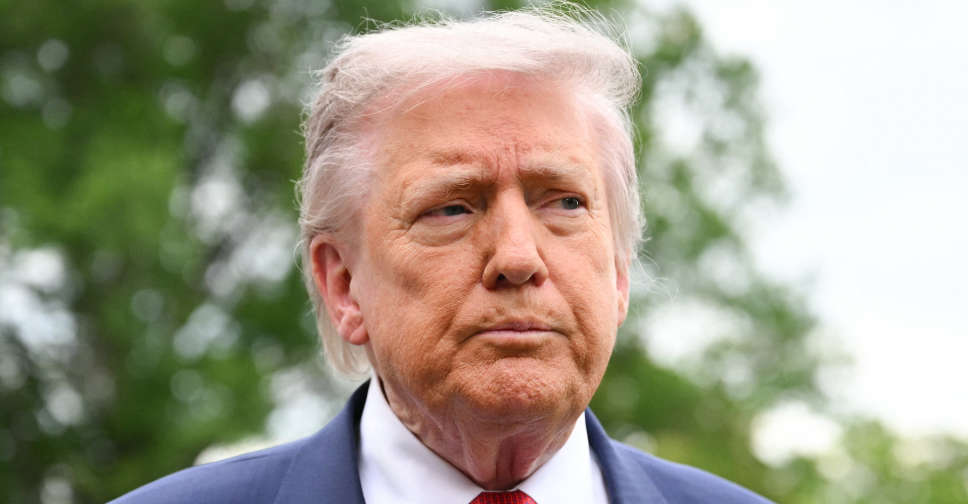
The diplomatic channels between Washington and Tehran, already strained, appear to have encountered another significant hurdle as a proposed peace initiative was reportedly rejected by President Donald Trump. This development underscores the persistent complexities in US-Iran relations, which have been characterized by periods of intense tension and intermittent attempts at de-escalation for decades. While details of the specific proposal remain largely undisclosed, its rejection signals a continued impasse in moving towards any form of comprehensive agreement.
Sources close to the negotiations, speaking on condition of anonymity due to the sensitivity of the discussions, indicated that the initiative aimed to address several long-standing points of contention. These reportedly included parameters around Iran’s nuclear program, regional security concerns, and the lifting of certain economic sanctions. However, the exact concessions or compromises sought from both sides within the framework of this particular proposal are not publicly known, making it difficult to assess the specific reasons behind its ultimate failure to gain traction with the former US administration.
The history of US-Iran engagement is replete with such moments of near-breakthroughs followed by abrupt reversals. Under the Trump administration, the US withdrew from the Joint Comprehensive Plan of Action (JCPOA) in 2018, a multilateral agreement designed to prevent Iran from developing nuclear weapons in exchange for sanctions relief. This decision led to a re-imposition of stringent sanctions and a subsequent escalation of tensions, including attacks on oil tankers and drone incidents in the Persian Gulf region. The current rejection of a peace proposal occurs within this broader context, where distrust runs deep on both sides.
Analysts suggest that any viable peace offering would need to navigate a complex web of domestic political considerations in both the United States and Iran. In Washington, differing views on how to approach Iran have long been a feature of foreign policy debates. The former President’s stance on Iran was notably hardline, often emphasizing maximum pressure tactics. Similarly, within Iran, various factions hold divergent opinions on engaging with the West, particularly after the US withdrawal from the JCPOA, which many in Tehran viewed as a betrayal of trust.
The implications of this latest setback are considerable. Without a clear path to de-escalation, the region remains susceptible to renewed flare-ups. Both nations have significant military presences and influence across the Middle East, meaning any escalation could have far-reaching consequences for international stability and global energy markets. The absence of direct, high-level diplomatic engagement further complicates efforts to manage potential crises, leaving little room for misunderstanding or miscalculation.
Observers are now left to ponder what, if any, alternative avenues for dialogue might emerge. The current US administration has indicated a willingness to engage with Iran, albeit under specific conditions. However, the shadow of previous rejections and the deep-seated mistrust built over years of antagonism continue to cast a long shadow over any future prospects for a durable peace. The immediate future suggests a continuation of the current delicate balance, characterized by indirect communication and a constant underlying tension, rather than any imminent resolution to the long-standing diplomatic stalemate.