
The crude oil market is bracing for a potential surge, with Rapidan Energy Group forecasting prices could touch $100 per barrel before the year concludes. This projection stems largely from an assessment of escalating geopolitical risks and the persistent threat of supply disruptions emanating from the Middle East. Energy analysts are increasingly pointing to the intricate web of regional conflicts and political instability as the primary drivers behind this upward pressure, overshadowing other market fundamentals that might otherwise suggest a more stable pricing environment.
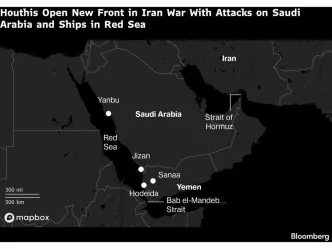
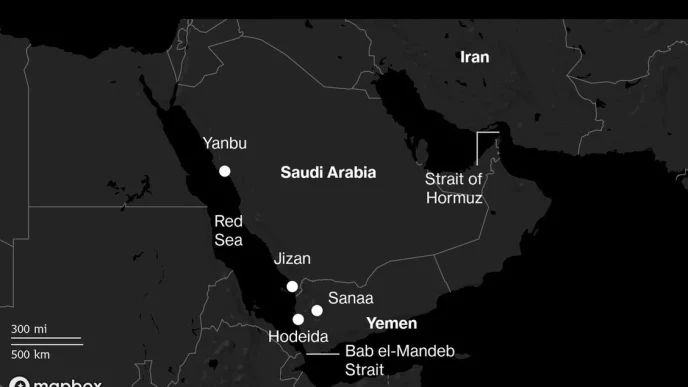
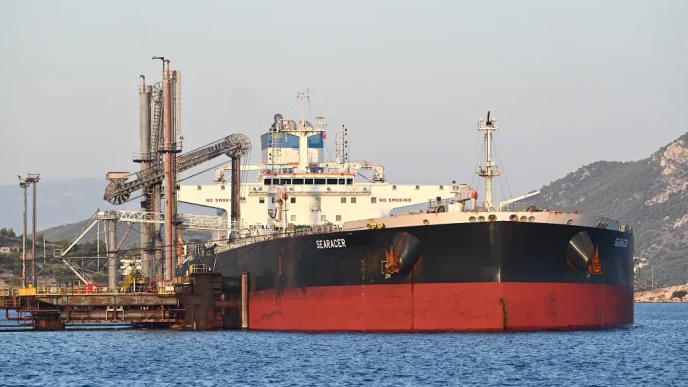
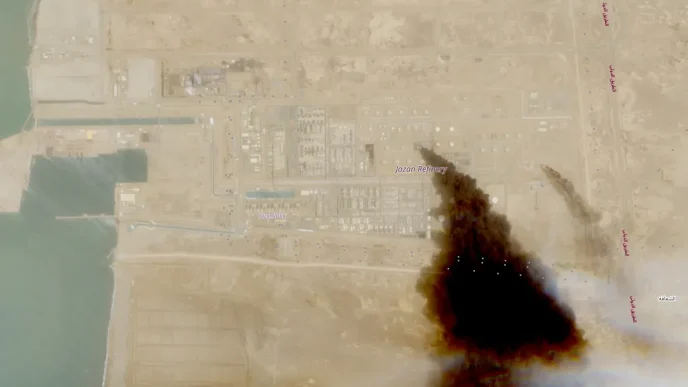
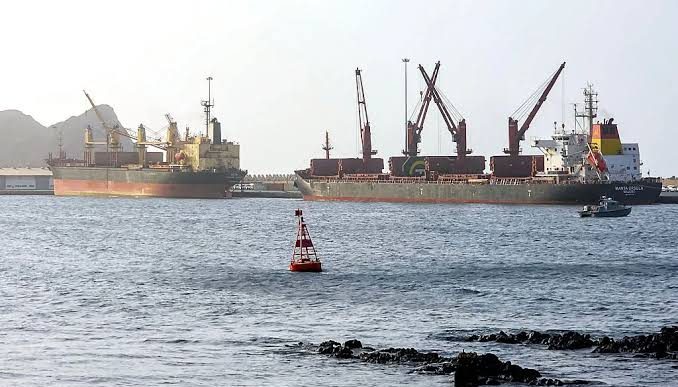
Recent developments in the Red Sea, for instance, have already demonstrated the fragility of global energy supply chains. Attacks on shipping vessels have forced major maritime carriers to reroute, adding significant transit times and costs, which invariably trickle down to the price of commodities like oil. While direct impacts on oil production have been limited so far, the ongoing threat creates a substantial risk premium. Traders are factoring in the possibility of more severe disruptions, pushing futures contracts higher as a hedge against future volatility.
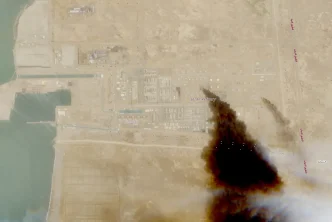
Beyond the immediate concerns in shipping lanes, the broader geopolitical landscape across the Middle East remains a critical variable. Any significant escalation in existing conflicts or the emergence of new flashpoints could directly imperil oil production facilities or key export infrastructure in the region, which collectively accounts for a substantial portion of the world’s crude supply. This inherent risk translates into a constant upward tug on prices, as the market attempts to price in the probability of such an event. Rapidan’s analysis likely incorporates these probabilities into its models, arriving at a higher price ceiling than many might have anticipated just a few months ago.
Demand-side dynamics, while still important, appear to be playing a secondary role in Rapidan’s immediate outlook. Despite ongoing concerns about global economic growth, particularly in major consuming nations, the supply-side risks from the Middle East are seen as sufficiently potent to override any softening in demand. This suggests a market where the fear of scarcity, however remote, holds more sway than the realities of consumption patterns. Central banks globally are grappling with persistent inflation, and a hundred-dollar barrel of oil would undoubtedly complicate their efforts to bring price stability.
Producers within OPEC+, particularly Saudi Arabia, also remain a crucial factor. Their willingness and capacity to increase output in response to higher prices or supply disruptions could mitigate some of the upward pressure. However, the current strategy of many OPEC+ members has been one of cautious supply management, aiming to stabilize the market at what they consider fair prices. This approach, while beneficial for producer revenues, offers less immediate flexibility in the event of a sudden, significant supply shock. Their policy decisions in the coming months will be closely watched, as they hold considerable sway over the global oil balance.
Ultimately, the confluence of persistent geopolitical tension in the Middle East, the demonstrated vulnerability of shipping routes, and a cautious approach from major oil producers creates a fertile ground for price appreciation. Rapidan’s projection serves as a stark reminder that even in an era of energy transition, the traditional levers of oil pricing, particularly those linked to security and stability in key producing regions, continue to exert profound influence on global markets and economies. The path to $100 oil, if it materializes, will be a testament to these enduring geopolitical realities.