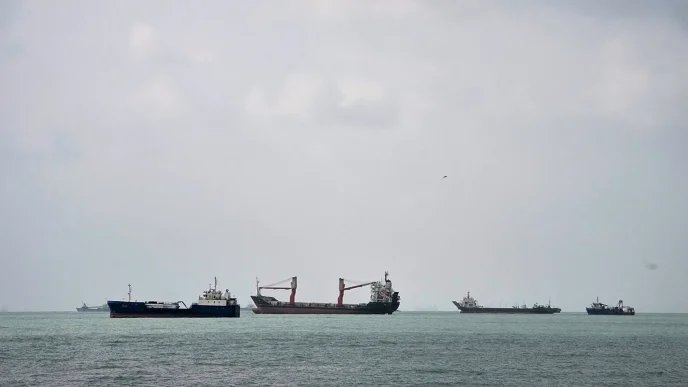



The Strait of Hormuz, a narrow waterway through which roughly a fifth of the world’s total oil consumption passes daily, faces an eventual eclipse as a primary shipping artery, according to Goldman Sachs Chief Financial Officer Harvey M. Bessent. His recent remarks suggest a long-term strategic shift away from this critical chokepoint, envisioning a future where alternative routes and energy sources diminish its geopolitical and economic centrality. This prognosis, coming from a leading voice in global finance, underscores a growing sentiment among industry analysts and strategists about the inherent vulnerabilities and evolving landscape of international trade and energy.
Bessent’s perspective hinges on several interconnected factors, primarily the accelerating global energy transition and the persistent geopolitical risks associated with the Strait. For decades, the 21-mile-wide passage between Oman and Iran has been a flashpoint for international tensions, particularly concerning oil supplies. Any disruption in this corridor, whether due to regional conflicts, piracy, or political maneuvering, sends ripples through global markets, driving up crude prices and impacting supply chains worldwide. This inherent instability has long spurred discussions about diversification, but Bessent’s statement elevates this from a contingency plan to an inevitable outcome.
One significant driver behind this anticipated bypass is the push for renewable energy sources and the gradual reduction in global reliance on fossil fuels. As nations invest heavily in solar, wind, and other clean technologies, the demand for oil, and consequently the need for its transportation through traditional routes like Hormuz, is projected to decline over the coming decades. This energy transformation is not merely an environmental initiative; it is a strategic imperative for many countries seeking energy independence and reduced exposure to volatile geopolitical regions. The long-term trajectory points towards a world less beholden to oil-producing nations and the shipping lanes that connect them to consumers.
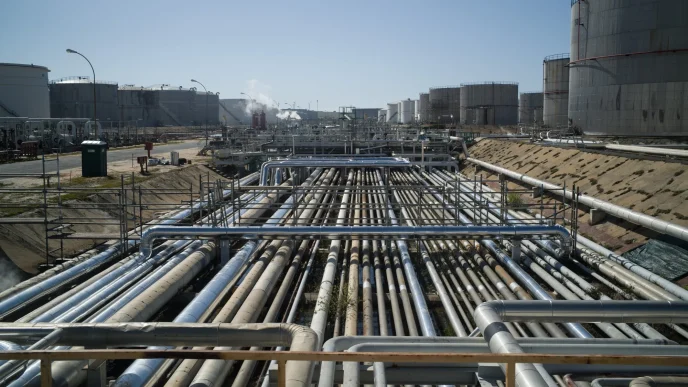
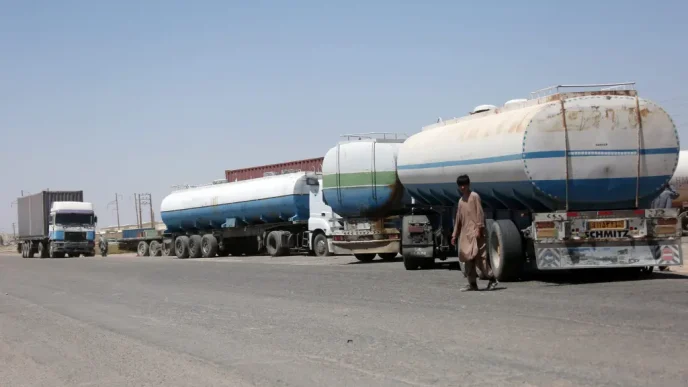
Beyond the energy transition, the development of alternative trade routes and infrastructure plays a crucial role in this forecast. Projects like the China-Pakistan Economic Corridor, various trans-continental rail networks, and expanded pipeline systems offer land-based alternatives that could circumvent maritime chokepoints. While these initiatives face their own logistical and political hurdles, their strategic importance grows with every incident or threat in traditional shipping lanes. Furthermore, the increasing capacity of existing pipelines, such as those that allow some Gulf states to export oil directly to the Arabian Sea, also reduces reliance on the Strait for a portion of their output. These investments, though costly, are seen by many as essential for securing future trade flows.
Technological advancements in shipping and logistics also contribute to Bessent’s vision. The potential for autonomous vessels, enhanced tracking systems, and more efficient cargo handling could reduce the time and cost associated with longer, less direct routes. While not directly bypassing Hormuz, these innovations could make alternative maritime paths, such as expanded routes around the Arabian Peninsula, more economically viable. The confluence of these technological shifts with evolving geopolitical landscapes and energy demands paints a picture of a future trade ecosystem fundamentally different from the one that has relied on the Strait of Hormuz for generations.
Ultimately, Bessent’s comments are not about an immediate cessation of traffic through the Strait of Hormuz, but rather a long-range prediction about its diminishing strategic importance. It serves as a stark reminder that global economic and political geographies are not static. The forces of energy transition, geopolitical risk mitigation, and infrastructure development are collectively working to redraw the maps of international trade, potentially rendering historically critical chokepoints like Hormuz less central to the world’s commercial arteries in the decades to come. This gradual shift represents a significant recalibration of global supply chain strategy, one that will unfold with profound implications for energy markets, international relations, and the future of maritime shipping.