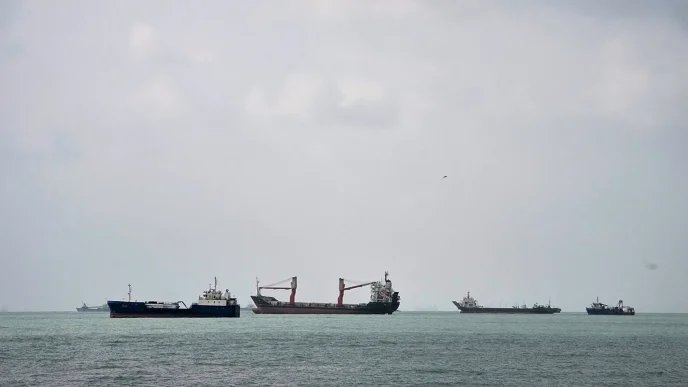

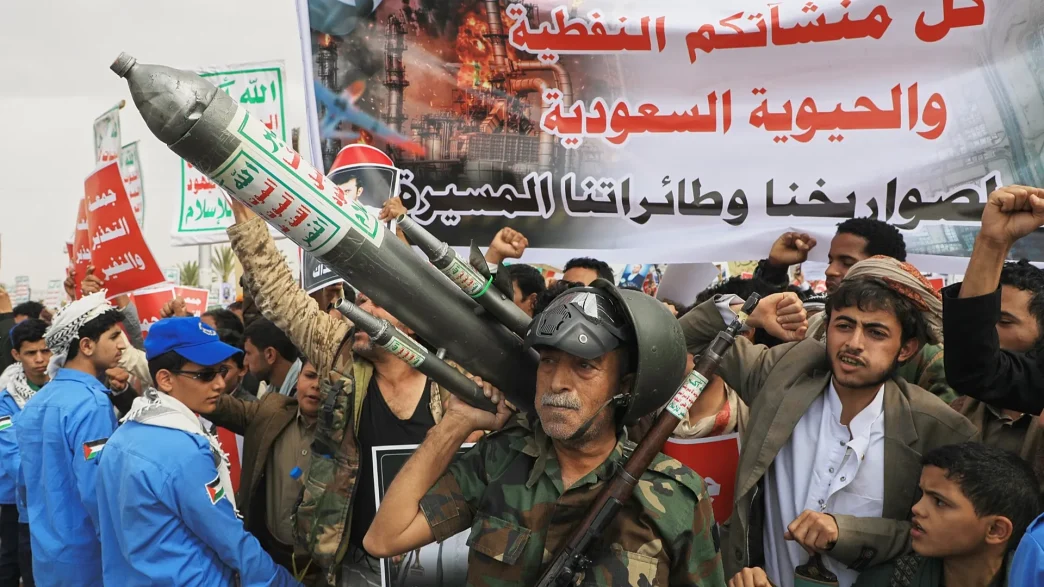
The Red Sea, a vital conduit for global commerce, saw further escalation this week as Yemen’s Houthi forces announced they had targeted a Saudi oil tanker with a ballistic missile. This assertion, made on Monday, aligns with reports from British maritime agencies detailing an incident where a vessel caught fire off the Saudi coast. The Houthis, an Iran-backed group, declared the strike was both “accurate and direct,” claiming it caused a fire aboard the tanker and prompted other ships in the vicinity to disperse. This action, they stated, is part of an ongoing implementation of their decision to block maritime navigation by Saudi vessels.
The UK Maritime Trade Operations (UKMTO) had earlier confirmed a tanker was struck by an “unknown projectile” approximately 63 nautical miles west of Yanbu, a Saudi city hundreds of kilometers north of Yemen. While the crew was reported safe and no environmental impact immediately observed, the incident underscores the volatile situation in one of the world’s most critical shipping lanes. British maritime security firm Vanguard Tech independently corroborated that a Saudi-flagged vessel had been hit by a missile and subsequently caught fire. This event follows a pattern of Houthi aggression against Saudi shipping, initiated last month after the group declared a maritime blockade against the kingdom.
The Bab el-Mandeb strait, connecting the southern Red Sea to the Gulf of Aden and the Indian Ocean, typically handles about 12% of global maritime trade. Its significance cannot be overstated, and the current instability threatens its unimpeded flow. The Houthis previously disrupted navigation here during the Israel-Hamas conflict, framing their actions as support for Palestinians. This latest move against Saudi interests comes at a particularly fraught time, as the Strait of Hormuz, another crucial chokepoint, also faces blockade conditions following the collapse of an interim deal between the US and Iran. Reports have even suggested the Houthis have engaged in discussions with Tehran about imposing a toll on cargo ships passing through Bab el-Mandeb, mirroring Iran’s purported ambitions for Hormuz.
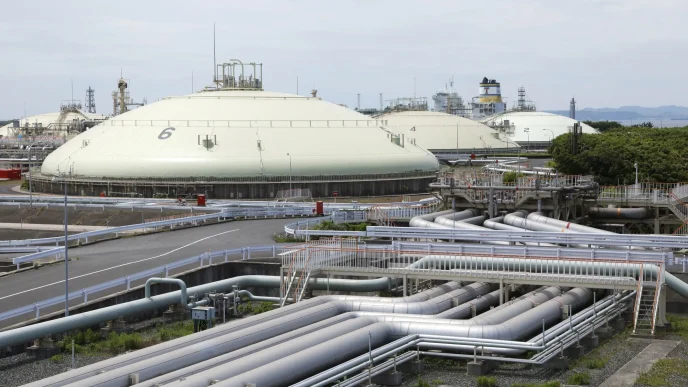
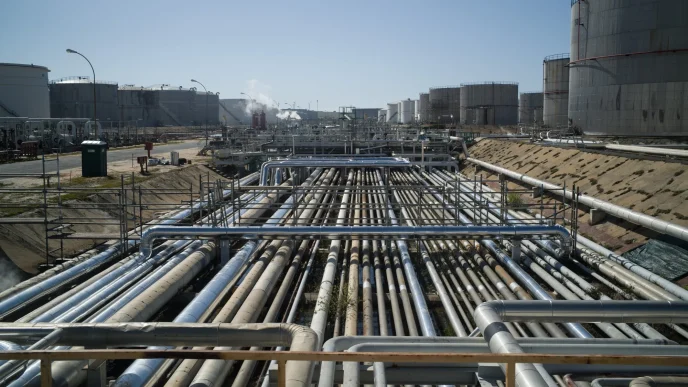
Since a new round of hostilities erupted in July, sparked by the Houthis welcoming an Iranian plane in Yemen’s capital, Sana’a, the group has repeatedly engaged in tit-for-tat attacks. Beyond targeting Saudi tankers in the Red Sea, they have struck Yemeni government forces and aimed at Saudi Arabia’s oil infrastructure and airports. Riyadh has responded with its own air strikes against Houthi military positions and infrastructure, particularly in Hodeidah, Yemen’s primary Red Sea port. The ongoing blockade poses a substantial threat to Saudi Arabia’s capacity to export its millions of barrels of crude oil daily.
In response to these mounting threats to Red Sea shipping, Riyadh moved to establish a multinational maritime defense coalition on July 31. This initiative saw 14 nations, including Pakistan, Turkey, and Egypt, sign a founding statement aimed at safeguarding the vital waterway. Yemen, a country already grappling with over a decade of internal conflict, found itself further embroiled in the broader regional tensions last month when the Houthis unilaterally ended a 2022 truce with the internationally recognized government. The Houthis, who seized power in late 2014 by occupying Sana’a and key military sites, forcing the legitimate government into exile, are a key component of Tehran’s “Axis of Resistance.” This loose network includes groups like Hezbollah in Lebanon, Hamas in Gaza, and various Iraqi militias, all receiving varying degrees of backing, training, and equipment from the IRGC. While the Houthis do not directly control the entire Bab el-Mandeb coastline, their territorial holdings are less than 100 kilometers away, granting them considerable leverage over the strait’s security.