
Qatar says it is making headway in efforts to broker an end to the U.S.-Iran war, but officials across the Gulf are keeping their guard up.
A Qatari government spokesperson said closed-door talks between Washington and Tehran on Monday were “focused on making progress,” though he cautioned that no one can yet say how close a deal might be. “We cannot say how close or how far away an agreement is,” Ibrahim bin Sultan Al Hashmi, director of the foreign ministry’s media and communication department, told reporters in Doha.
Shuttle diplomacy gathers pace
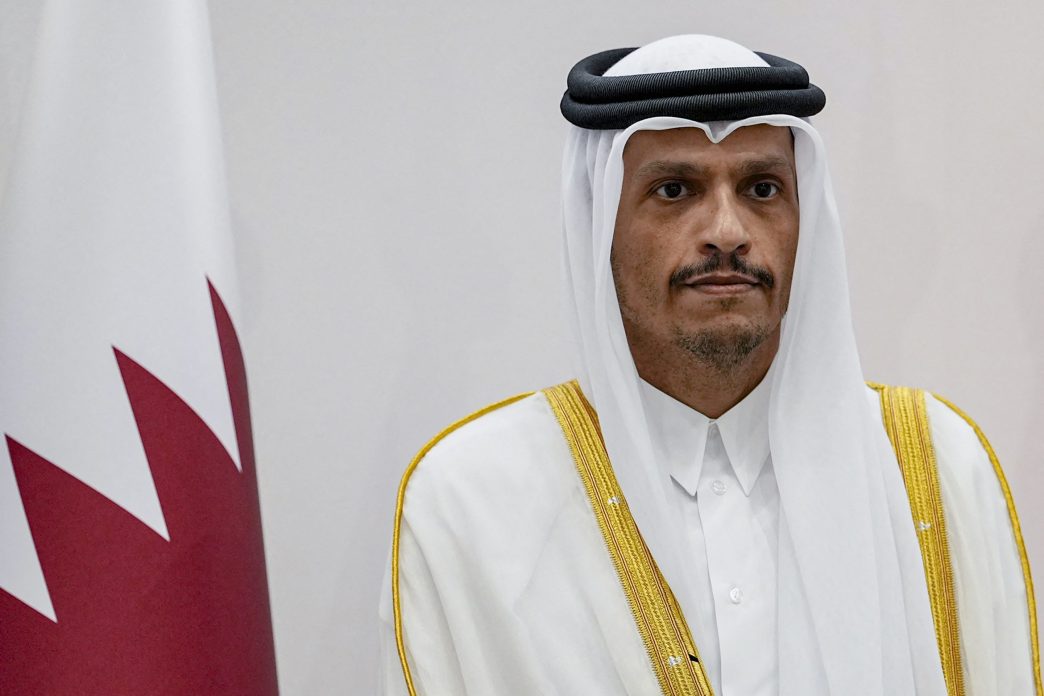
The comments followed a White House meeting between Qatari Prime Minister Sheikh Mohammed bin Abdulrahman Al Thani, President Donald Trump, and Vice President JD Vance. Al Thani described the session as “positive” and said he was grateful for discussions on “reaching a deal and bringing peace to the region.”
Before traveling to Washington, Qatari officials held talks in Tehran and consulted other regional capitals. On Tuesday, Al Thani made an unscheduled appearance at the G7 foreign ministers meeting in Paris, where European diplomats have been pressing U.S. Secretary of State Marco Rubio to avoid any new escalation against Iran.
Trump sees momentum, but warns of force
Trump wrote on Truth Social that Qatar, Saudi Arabia, Kuwait, and the United Arab Emirates “would prefer the status quo,” referring to the U.S. naval blockade and overland trade restrictions on Iran under Operation Iron Gate. He said there was “positive momentum toward an end to this conflict” but added that the United States is “locked and loaded” should regional developments shift.
His warning underscores a central tension in the Gulf: many Arab states want the conflict contained, but they also fear being drawn into a wider confrontation or left exposed if diplomacy fails.
Gulf braces for prolonged uncertainty
Speaking at a geopolitical forum in Abu Dhabi, Anwar Gargash, diplomatic advisor to UAE President Mohamed bin Zayed, said the region should prepare for “a long period of uncertainty in which neither a decisive resolution nor stable regional order can be taken for granted.” He said the UAE would need to invest in defensive capabilities and deepen partnerships with international security powers.
The Strait of Hormuz remains a flashpoint. Attacks on commercial shipping in and around the Strait hit their highest monthly level in October since the war began, with more than 30 incidents recorded by the U.K. Maritime Trade Operations.
GCC moves to tighten military coordination
On Tuesday, Gulf Cooperation Council defense ministers approved plans for a joint command center in Kuwait to strengthen military integration among the six-member bloc. The command will be part of the existing Unified Military Command headquartered in Riyadh, though details on troop numbers, mandate, and timing remain unclear.
Despite the diplomatic activity and new security plans, business is not returning to normal. Global finance firms in Riyadh's financial district have allowed staff to work from home for the past month, and travel restrictions continue to complicate commutes from nearby Gulf hubs. Barclays nevertheless opened a new Riyadh office on Monday, returning to the Saudi market after more than a decade.
Economy and diplomacy in the balance
The Gulf's economies are feeling the strain. Emirates Group reported a 66% drop in first-half profit as the war reduced passenger demand and drove up jet fuel costs. While cargo revenue rose sharply, the airline carried 22% fewer passengers than a year earlier.
For now, the region is caught between hope for a negotiated settlement and the practical need to prepare for the alternative. Qatar's mediation has placed it at the center of the diplomatic effort, but the Gulf's leaders appear to be assuming that any peace, if it comes, will be slow and fragile.