
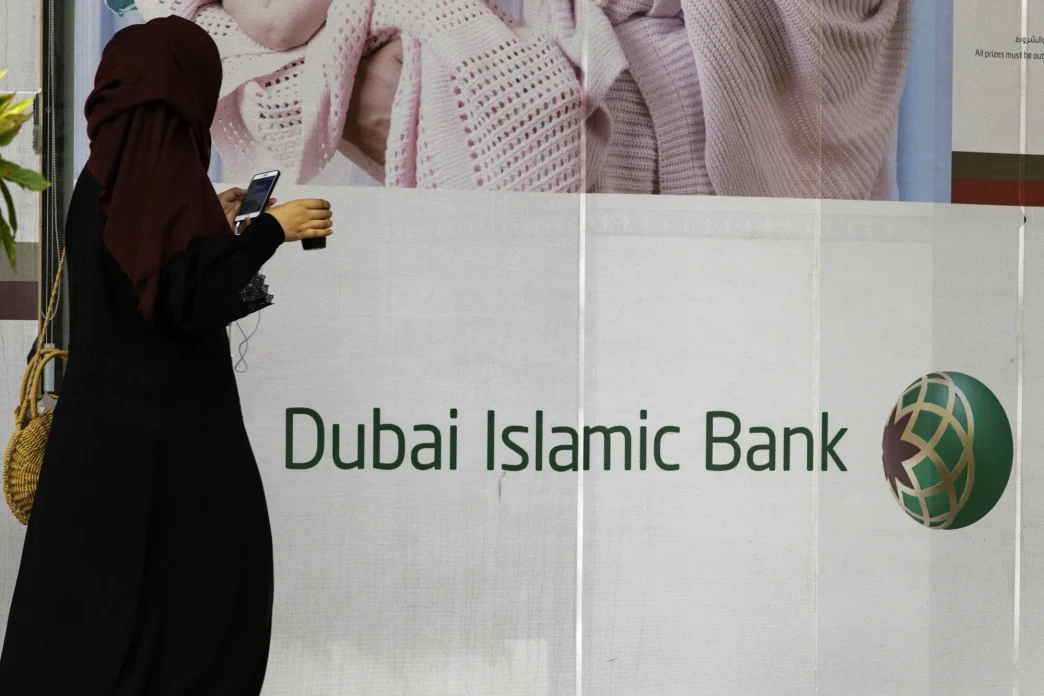
Dubai officials have held preliminary talks about combining two of the emirate’s largest Islamic lenders, Dubai Islamic Bank and Emirates Islamic Bank, according to people familiar with the discussions. The goal would be to create a bigger Sharia-compliant bank capable of competing more forcefully on the global stage.
A merged entity would become one of the largest Islamic banks in the Gulf, with a stronger balance sheet and broader franchise across retail, corporate, and wholesale banking. The move comes as Gulf states increasingly view Islamic finance as a strategic sector where scale matters.
No final decisions have been made, and the people cautioned that a deal may not ultimately materialise. Banking mergers in the region require regulatory approvals, shareholder support, and careful integration of technology and operations.
If completed, the tie-up would mark another step in the consolidation of the United Arab Emirates’ banking industry. Lenders across the Gulf have been merging in recent years to cut costs, diversify revenue, and withstand pressure from low oil prices and rising competition.
Dubai Islamic Bank is already one of the best-known Islamic lenders in the world, while Emirates Islamic Bank is the Sharia-compliant arm of Emirates NBD. Combining the two could give the new group greater lending capacity, more geographic reach, and a larger pool of deposits.
For the UAE, a stronger Islamic banking champion would also support its ambition to remain a leading centre for Islamic finance, competing with Malaysia, Saudi Arabia, and Kuwait for capital flows, sukuk listings, and institutional business.