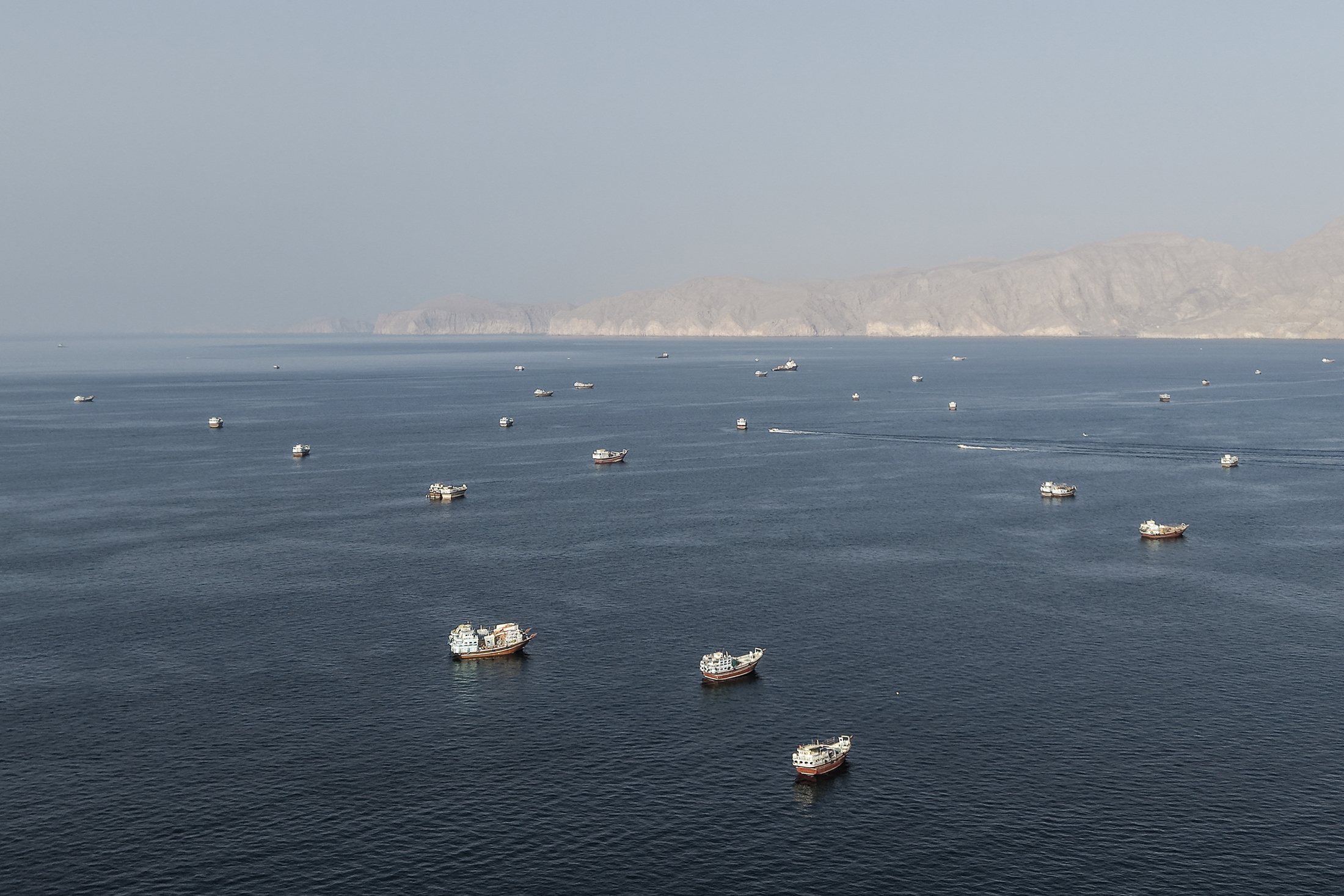

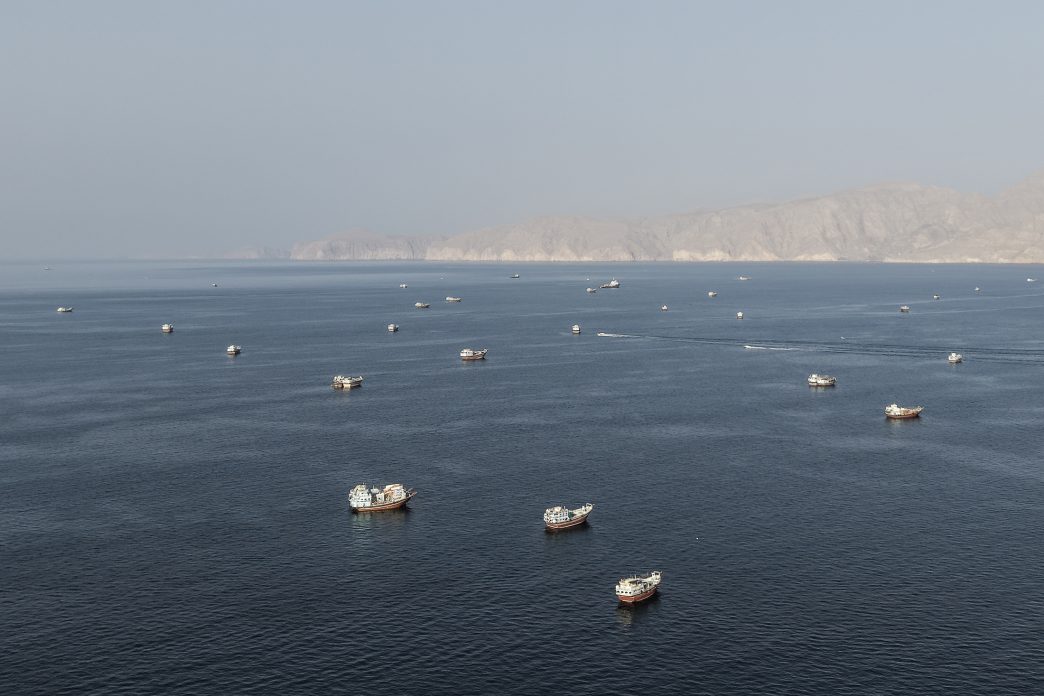
Iran’s attacks on oil tankers crossing the Strait of Hormuz have intensified at a time when oil prices are falling sharply.
After a period of low-grade clashes, attacks rose in October and have continued at a higher tempo this month, according to data compiled by Bloomberg. The severity is also increasing, with at least two seafarers reported missing after attacks this week.
The flareups come as Brent crude futures have slid about a fifth this month. Middle East exports have approached pre-war levels and the International Energy Agency said last week that supply is outpacing demand for the first time since the war began.
Shipping analysts say the situation has become a new normal of near-daily attacks that make it difficult to track actual damage and export volumes. Producers tend to stay silent about incidents for security reasons.
There are signs that the strikes are becoming more serious. Maritime security officials have said Iran has tried to hit the same ship multiple times to deter salvors, and limpet mines have been spotted attached to vessels.
Gulf producers depend on energy exports to fund their economies. A senior Saudi shipping official said last week that the kingdom has no choice but to continue shipping oil through Hormuz despite the attacks.
The United Kingdom Maritime Trade Operations has reported roughly one attack a day so far this month, with about 14 incidents in the strait. Last month it said it was struggling to report accurately because many companies were not reporting incidents.
Data from intelligence firms Kpler and Vortexa show that flows through Hormuz may have eased this month. The seven-day moving average of oil transits and net transfers in the Gulf of Oman fell to about 10 million barrels a day by November 10, from around 13.4 million at the start of the month.
Saudi Arabia told OPEC that the amount it actually supplied to the market was below its production last month. In the past, such a gap has suggested the kingdom was filling storage tanks or moving more oil out of Hormuz ahead of an escalation.
Both sides have stepped up tit-for-tat attacks. US warplanes hit an Iranian missile launch site on Qeshm Island this week after Iran targeted US personnel and assets. Kuwait has demanded that Iran immediately cease its unlawful attacks on shipping.