


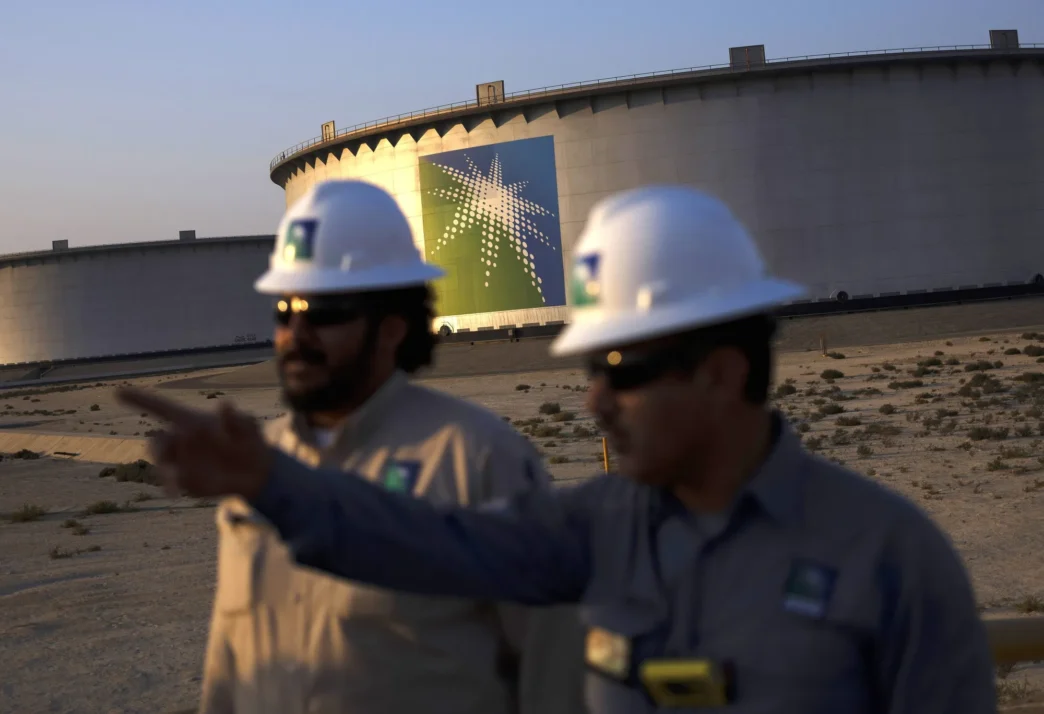
Saudi Arabia has slashed the official selling price (OSP) for its flagship crude to the lowest level in five years, signaling mounting pressure from a growing global oil surplus and softening demand across major consuming regions. The move marks one of the most aggressive pricing adjustments by the world’s largest crude exporter since the pandemic and underscores the increasingly challenging environment facing oil producers as inventories rise and economic momentum cools.
The decision followed an OPEC+ meeting in which the coalition reaffirmed an earlier choice to pause planned production increases, opting instead to maintain current output limits amid concerns that the market remains oversupplied. While the group is publicly projecting confidence in long-term demand, privately members acknowledge that excess supply, weaker refining margins, and slowing imports from Asia and Europe are weighing heavily on prices.
Saudi Arabia’s price cut is a clear attempt to defend its market share in a landscape where competition is intensifying—not just from traditional rivals, but also from U.S. shale producers who continue to expand output despite moderating global consumption.
A Five-Year Low: What the Saudi Price Cut Signals
Saudi Aramco’s official selling price for crude shipped to Asia—the kingdom’s most important market—was reduced sharply, surprising traders who had expected a more modest adjustment.
Why the cut matters:
- It reflects softening global demand, especially in China, where economic recovery has been uneven.
- It signals growing desperation to maintain market share as rivals enhance their competitiveness.
- It acknowledges a persistent inventory surplus, driven by high production levels outside OPEC+.
- It reveals Saudi Arabia’s willingness to prioritize volume over price, at least in the near term.
The last time the kingdom cut prices this aggressively was in 2019–2020, during a period of market turmoil and supply-demand imbalances.
A Growing Surplus Across Global Markets
Oil inventories are climbing across the U.S., Europe, and Asia due to:
1. Weaker-than-expected demand
Global consumption forecasts have been revised downward as:
- Industrial activity slows
- Freight and shipping volumes remain uneven
- Consumers shift spending habits amid inflationary pressures
2. Higher non-OPEC production
The U.S., Brazil, Guyana, and Canada are all increasing output. U.S. shale alone is producing near-record levels, offsetting OPEC+ cuts.
3. Refinery maintenance cycles
Seasonal maintenance has reduced refining intake, causing crude stocks to build.
4. Mild winter temperatures
Lower heating demand in Europe and Asia has further weakened the call on crude.
The surplus has put persistent downward pressure on benchmark prices.
OPEC+ Holds the Line—for Now
At its latest meeting, the OPEC+ alliance reaffirmed its commitment to previous production levels, declining to introduce new cuts despite clear evidence of oversupply.
Reasons behind the pause:
- Internal disagreements among members over how to distribute any additional cuts
- Concerns that deeper cuts would concede too much market share to the U.S. and non-OPEC producers
- The desire to wait for clearer data before altering the long-term strategy
Still, many analysts believe that if the surplus worsens, OPEC+ may be forced into deeper cuts later in the year.
Market Reaction: Prices Under Pressure
Following the announcement:
- Brent crude dipped as traders digested the implications of a sustained surplus.
- Asian refineries welcomed lower prices, but many questioned whether demand would rebound meaningfully.
- Physical market spreads weakened, signaling less confidence in near-term consumption.
Energy equities also softened, reflecting fears that earnings growth may slow for integrated oil companies.
Saudi Arabia’s Strategic Dilemma
The kingdom faces a complex balancing act:
Defend market share?
Lowering prices helps secure long-term customers—especially in Asia, where competition is fierce.
Support oil prices?
But aggressive price cuts weaken global benchmarks, eroding revenues at a time when Saudi Arabia faces large fiscal commitments, including:
- Vision 2030 megaprojects
- Domestic diversification spending
- Growing public sector costs
Maintain OPEC+ unity?
Saudi Arabia must keep its coalition intact while pushing members to adhere to quotas.
The latest pricing move suggests Riyadh is prioritizing market share and customer loyalty over short-term price stability.
The Ripple Effects Across Global Energy Markets
1. U.S. Shale Producers Gain Advantage
Lower Saudi prices may squeeze refining margins but do little to halt U.S. production growth.
2. Asian Buyers Benefit
Refiners in China, India, and South Korea gain improved economics for margins and stockpiling.
3. Risk of Further Price Wars
If demand remains weak, other producers may lower prices to stay competitive.
4. Potential for OPEC+ Tensions
Some members may push for deeper cuts—others may resist.
5. Renewed Pressure on Alternative Energy Investments
Lower oil prices could shift short-term incentives away from renewable investments, though long-term policy drivers remain intact.
Will Prices Fall Further? Analysts Divided
Bullish factors:
- Possible OPEC+ intervention
- A rebound in Chinese industrial activity
- Seasonal demand increases later in the year
Bearish factors:
- Persistent surplus
- Rising U.S. and Brazilian output
- Weak global manufacturing indicators
- Geopolitical tensions that affect demand but not supply
Most analysts expect a period of range-bound volatility, with neither a sharp collapse nor a strong rally in the immediate term.
Conclusion: Saudi Price Cuts Highlight the Fragility of Today’s Oil Market
Saudi Arabia’s decision to slash its main crude price to a five-year low underscores the challenges facing global oil markets as oversupply builds and demand softens. The kingdom is signaling a willingness to defend its market position aggressively, even at the cost of lower revenues, while OPEC+ maintains a cautious stance on production.
Whether the market stabilizes or deteriorates further will depend on a delicate balance of supply decisions, geopolitical developments, and the trajectory of global economic growth.
For now, the world’s most influential oil producer has made its move—and the rest of the market is recalibrating in response.