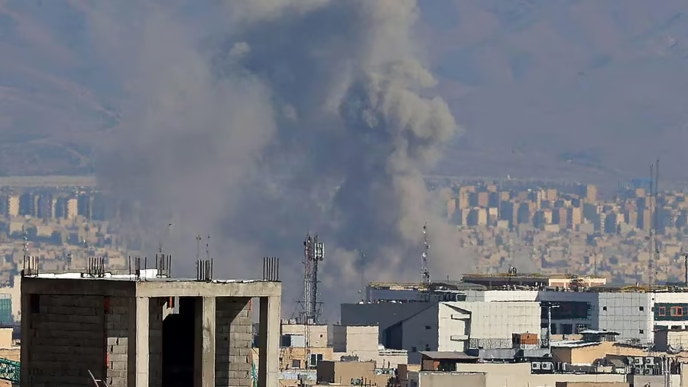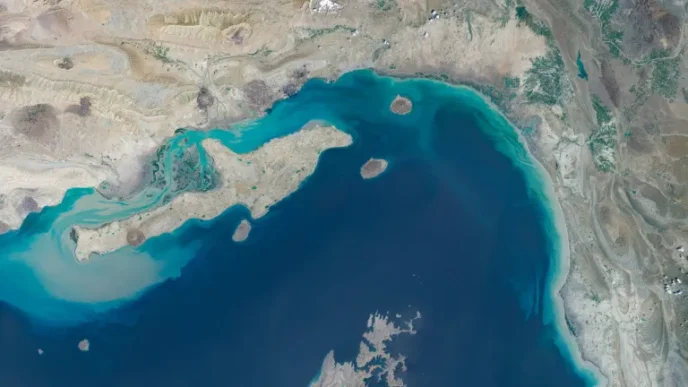

Reports have emerged from private discussions indicating that President Donald Trump has suggested a rather unconventional approach to addressing energy needs for allies: simply “taking” jet fuel from the Strait of Hormuz. These comments, reportedly made during closed-door meetings with a select group of allies, have circulated among diplomatic and national security circles, sparking a range of reactions from those familiar with the discussions. The Strait of Hormuz, a critical choke point for global oil shipments, sees approximately one-fifth of the world’s total oil consumption pass through its waters daily, making any proposed intervention there a matter of significant international concern.
The context of these remarks is understood to be within broader conversations about energy security, geopolitical leverage, and the perceived vulnerabilities of certain nations. While the specifics of the discussions remain largely under wraps, the reported suggestion underscores a particular mindset regarding the application of power and the acquisition of resources on the international stage. Such a proposition, if acted upon, would represent a dramatic departure from established international norms concerning maritime law and the sovereignty of shipping lanes, potentially triggering widespread condemnation and unforeseen escalations.
Experts in international law and maritime security have been quick to point out the numerous complexities and dangers inherent in any such action. Unilateral seizure of resources in international waters, particularly in a region as volatile as the Persian Gulf, could be interpreted as an act of piracy or aggression, inviting immediate and forceful responses from affected nations and international bodies. The economic repercussions alone would be profound, likely leading to a sharp surge in global oil prices and severe disruptions to supply chains extending far beyond the immediate region. Furthermore, the environmental risks associated with any forced intervention in a busy shipping lane are substantial, raising the specter of ecological disaster.
The practicality of such a maneuver also raises questions. The logistics of “taking” jet fuel on a scale that would meaningfully supply allies would be immense, requiring significant naval assets, specialized infrastructure, and a prolonged presence in a highly contested area. This would not be a simple operation, but rather a complex military undertaking with high operational costs and an even higher risk of confrontation. The implications for international alliances and diplomatic relations would also be severe, potentially isolating the United States from key partners who adhere to established rules of engagement and international law.
While the comments are reportedly from private discussions and not a declared policy, their emergence highlights the ongoing debates within certain political factions regarding America’s role in global energy markets and its willingness to challenge existing frameworks. The notion of bypassing conventional trade mechanisms and international agreements in favor of direct acquisition, even if metaphorical, speaks to a desire for more assertive and less constrained foreign policy approaches. It remains to be seen whether these reported suggestions will influence more formal policy discussions or if they will remain confined to the realm of speculative geopolitical musings. The international community, however, is undoubtedly monitoring these discussions with a keen interest, understanding that even rhetoric can have tangible consequences in such a sensitive region.