
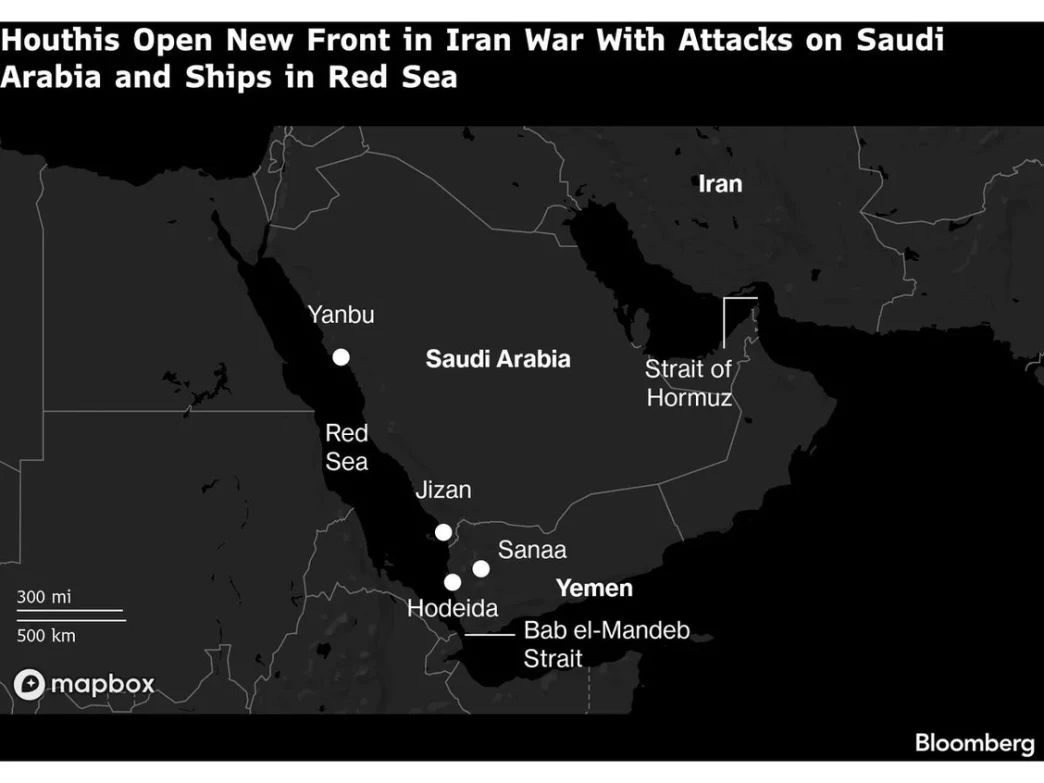
For the last three nights, American airstrikes targeting Iranian-backed militia groups in Iraq and Syria have ceased, a significant pause following a sustained period of retaliatory actions. This operational shift comes amidst escalating tensions in the broader Middle East, particularly with a notable increase in clashes between Houthi rebels and Saudi Arabian forces along the Yemen-Saudi border. The interconnectedness of these regional conflicts often means a change in one theater can ripple across others, influencing strategic decisions and military postures.
The cessation of these particular US operations follows a series of strikes initiated in response to a drone attack that killed three American service members in Jordan. Those earlier American actions had targeted facilities used by various Iran-aligned factions, aiming to degrade their capabilities and deter further aggression against US personnel and interests in the region. While the Pentagon has not offered a specific explanation for the current pause, analysts suggest it could be a combination of factors, including a reassessment of the immediate threat landscape, a desire to de-escalate, or a reallocation of resources as other regional flashpoints intensify.
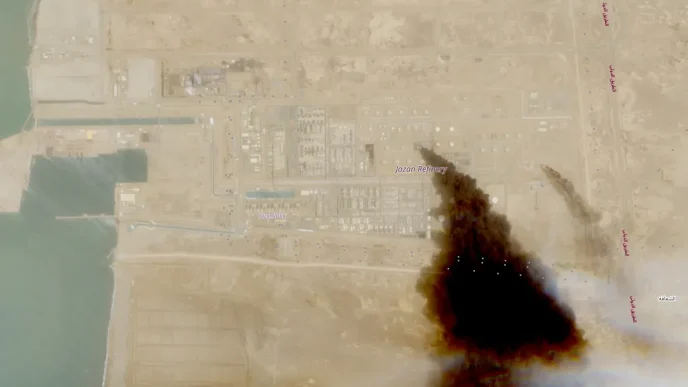
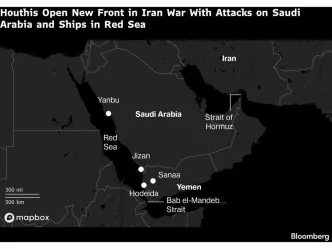
Simultaneously, reports from the Yemen-Saudi border indicate a marked uptick in skirmishes. Houthi forces have reportedly launched a new series of drone and missile attacks into Saudi territory, while Saudi defenses have engaged these incursions. The long-running conflict in Yemen, where a Saudi-led coalition has been battling the Houthis for years, remains a critical component of regional instability. These recent exchanges underscore the Houthis’ persistent capability to project power beyond Yemen’s borders, despite ongoing international efforts to broker a lasting peace. The timing of these intensified Houthi-Saudi engagements, coinciding with the US pause in strikes against Iran-backed groups, raises questions about potential coordination or opportunistic timing by various non-state actors.
Regional diplomatic efforts are perpetually underway, often in the background, attempting to manage these complex and volatile situations. The United States, while pausing its direct offensive actions against specific militias, maintains a significant military presence in the Middle East, primarily focused on counter-terrorism operations and deterring broader regional conflict. The intricate web of alliances and antagonisms means that every military decision, every pause or escalation, is scrutinized for its potential impact on a fragile balance of power. The coming days will likely reveal whether this pause represents a temporary tactical adjustment or a more significant shift in strategy for the United States in its dealings with Iranian-backed groups.
Observers are now watching closely to see how the various parties involved will interpret and react to this lull in American aerial activity. The Houthis’ continued assertiveness against Saudi Arabia could be seen as an attempt to capitalize on perceived shifts in the regional dynamic, or it might be an independent escalation driven by their own strategic objectives within the Yemeni conflict. The intricate interplay between these separate but related conflicts ensures that the Middle East remains a region of intense geopolitical maneuvering, where a quiet night can be as significant as a night of widespread bombardment.