
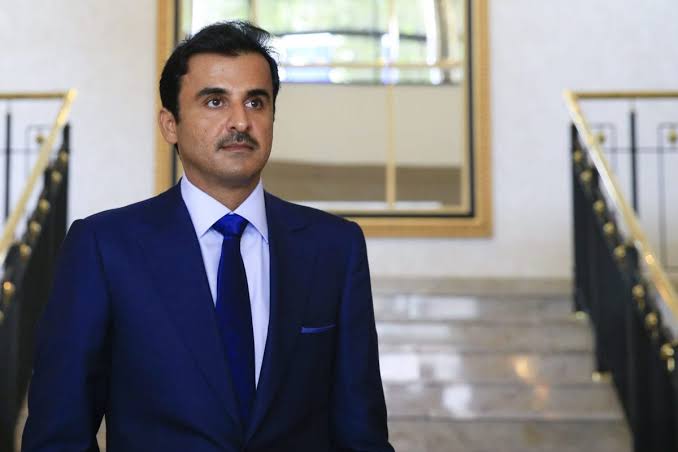
Qatar’s Prime Minister, Sheikh Mohammed bin Abdulrahman Al Thani, delivered a blunt message to fellow Gulf states at the Qatar Economic Forum’s UNGA Special Edition in New York: the region can no longer afford to sit on the sidelines while instability spreads. “We are hoping this war is a wake-up call for everyone,” he said. “We have to act together responsibly as a region.”
The comments came seven months into a war involving Iran that has directly touched Qatar, which like its Gulf neighbors has come under missile attack during the conflict. The fighting has ravaged Qatar’s gas export capacity, disrupting output that depends on safe passage through the Strait of Hormuz, even as the country has simultaneously positioned itself as one of the region’s main mediators trying to keep diplomatic channels between Iran and the West alive.
In an interview with Bloomberg’s Mishal Husain, Al Thani pressed Gulf governments to take direct responsibility for reining in actors fueling the region’s instability, saying countries need to “step up responsibly to stop their saboteurs, stop their troublemakers.” The framing reflects Qatar’s broader argument throughout the crisis: that de-escalation requires the Gulf’s own governments to act collectively, rather than waiting for Washington or Tehran to make the first move.
Alongside the security message, Al Thani used the forum to outline economic plans aimed at insulating Qatar from the fallout of a prolonged regional conflict. He detailed a new platform, Doha Investment, designed to accelerate long-term value creation and expand private-sector participation in Qatar’s economy, part of a broader push to reduce reliance on hydrocarbon revenue that has come under strain since the war began. The interview also touched on the future of the US military presence in Qatar, with Al Thani addressing the defense partnership between the two countries at a moment when America’s regional posture is under close scrutiny from every Gulf capital.
Qatar’s gas sector, the backbone of its economy, has borne some of the heaviest costs of the conflict. While output is reportedly on track to return to normal levels within weeks, officials have cautioned separately that the broader damage to the country’s LNG infrastructure and reputation as a reliable supplier could take years to fully repair, a warning that underscores why Al Thani is pushing so hard for a regional resolution rather than betting on the crisis burning itself out.