


Iran has extended its shutdown of international nuclear inspections, deepening the uncertainty surrounding the country’s uranium stockpile at a time when negotiations with the United States appear stalled.
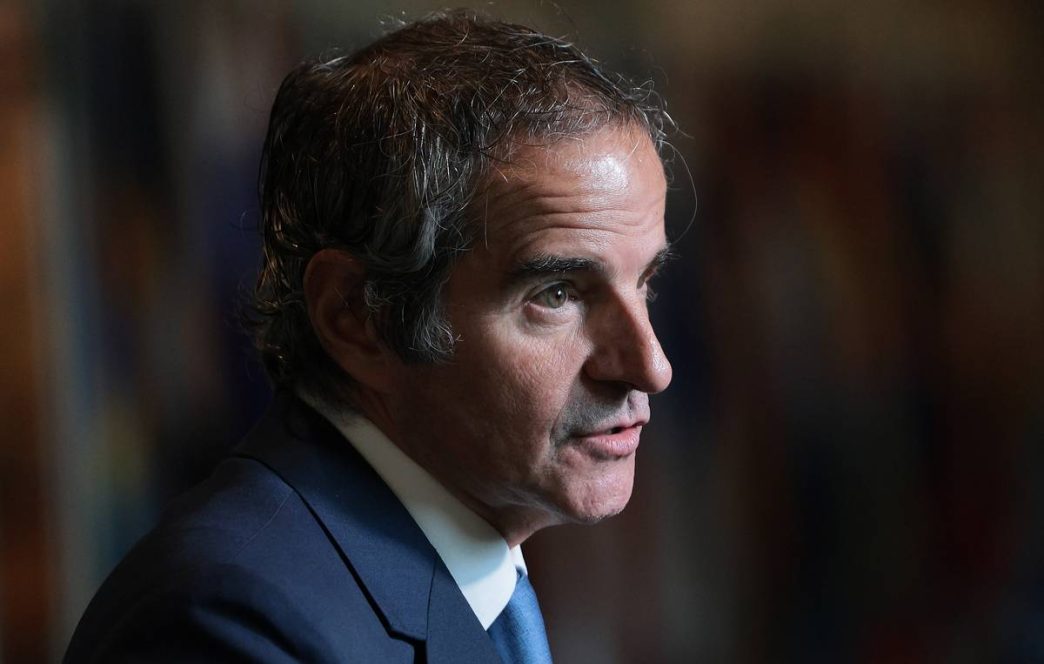
Photo: Michael M. Santiago/TNS
According to a restricted report by the International Atomic Energy Agency circulated in Vienna, inspectors still cannot verify the location or condition of Iran’s near-bomb-grade uranium. The agency also cannot account for thousands of kilograms of lower-enriched material. Tehran first cut off monitoring after American and Israeli strikes in June 2025.
A year in the dark
“It is more than a year since the agency lost continuity of knowledge in relation to the previously declared inventories of highly-enriched uranium,” IAEA Director General Rafael Mariano Grossi wrote in the report. “The agency is not able to conclude that there has been no diversion of declared nuclear material from peaceful nuclear activities.”
The assessment means the UN watchdog cannot say with confidence whether Iran’s nuclear material remains in declared facilities. It also cannot rule out that some material has been moved or further processed in secret.
Washington shifts tone
The report arrived a day after US President Donald Trump suggested there was no need for a deal with Iran to end the war that began when the United States and Israel launched strikes in late February. Trump has long said the campaign’s purpose was to prevent Iran from building a nuclear weapon.
Despite an intense period of fighting that wound down in April, negotiations to place new international constraints on Iran’s nuclear work have never gained momentum. The lack of verified information about the program makes any diplomatic settlement harder to design or enforce.
Tehran rejects monitoring
Iran has accused the United States and Israel of using IAEA inspections as legal cover for military strikes. It says inspectors cannot safely return while under threat of American attack. Last week, Iranian officials argued in a legal filing that the country is not obliged to submit to full monitoring while facing military pressure.
Grossi acknowledged that Iran has not ruled out all cooperation. Inspectors visited the Bushehr nuclear power plant twice in the last three months. But they have been denied access to other declared facilities, including the enrichment sites at Natanz, Fordow and Isfahan that were damaged in earlier strikes.
The US bounty
The State Department recently offered a $20 million reward for information about Iran's nuclear work and possible relocation for informants. Iran called the offer appalling and warned it could push independent monitors into clandestine intelligence gathering on behalf of Washington.
In response, Grossi sent a letter to Iranian officials on November 12 pledging that IAEA inspectors would protect confidential information. The gesture did not change Tehran's position.
What's next
The IAEA board of governors is scheduled to meet in Vienna next week to discuss the Iran nuclear file. Without inspectors on the ground, the board will have to weigh Grossi's warnings against Iran's argument that wartime conditions make full cooperation impossible.
For now, the standoff leaves the outside world guessing about the size, location and military relevance of Iran's nuclear stockpile. That uncertainty is likely to weigh on any future talks, whether they take place on the battlefield or at the negotiating table.