
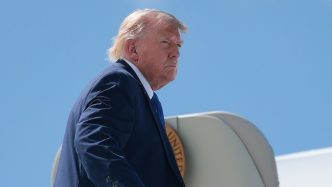
The decision to pause military action against Iran, following an earlier authorization for strikes, marks a pivotal moment in the escalating tensions between Washington and Tehran. This sudden shift came as President Trump reportedly called off the retaliatory measures just as they were set to commence, citing disproportionate casualties as a primary concern. The initial authorization was a direct response to Iran’s downing of a U.S. surveillance drone, an RQ-4 Global Hawk, over the Strait of Hormuz. Iranian officials maintained the drone had violated their airspace, a claim vehemently denied by the Pentagon, which asserted the drone was operating in international airspace.
Behind the scenes, a flurry of diplomatic activity appears to have influenced the reversal. Reports indicate that Oman, a frequent mediator in regional disputes, played a crucial role in facilitating indirect communication channels. Japanese Prime Minister Shinzo Abe had also recently concluded a visit to Tehran, reportedly carrying a message from President Trump to Iranian Supreme Leader Ayatollah Ali Khamenei. While the specifics of these exchanges remain largely undisclosed, their timing suggests a concerted effort to de-escalate a situation teetering on the brink of open conflict. This diplomatic maneuvering highlights a preference, at least for now, for dialogue over direct confrontation, even amidst heightened military readiness.
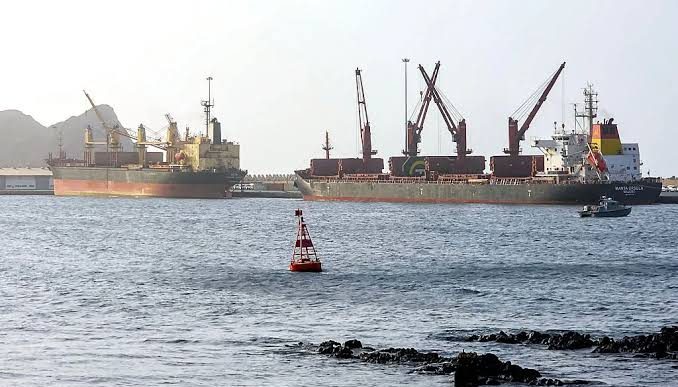
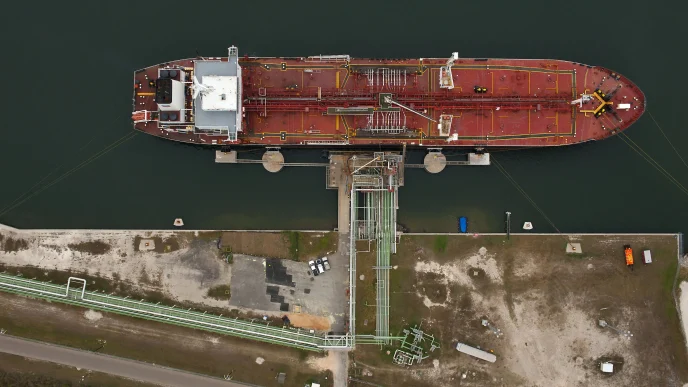
The immediate aftermath of the aborted strikes saw mixed reactions from international observers and domestic political figures. Some analysts lauded the move as a prudent step back from a potentially catastrophic war, while others criticized it as a sign of indecision or weakness. The incident underscores the fragility of the current geopolitical landscape in the Middle East, where miscalculations or misinterpretations could quickly spiral into wider regional instability. The Strait of Hormuz, a critical choke point for global oil shipments, remains a focal point of these tensions, with both sides asserting their rights and responsibilities in the vital waterway.
For the Trump administration, the situation presents a complex challenge. While the President has consistently expressed a desire to avoid new wars in the Middle East, his “maximum pressure” campaign against Iran, which includes stringent economic sanctions, has undeniably contributed to the current climate of hostility. The downing of the drone, and the subsequent threat of military retaliation, illustrate the inherent risks of this high-stakes strategy. The administration’s focus now appears to be on leveraging these newly re-opened diplomatic channels to achieve a more lasting resolution, or at the very least, to prevent further escalation.
The path forward remains fraught with uncertainty. Iran has repeatedly stated its refusal to negotiate under duress, demanding the lifting of sanctions as a prerequisite for any meaningful dialogue. The United States, conversely, has insisted on a comprehensive agreement that addresses Iran’s nuclear program, ballistic missile development, and its regional activities. Bridging this significant gap will require considerable diplomatic skill and a willingness from both sides to make concessions. The world watches closely to see if this pause in military action can indeed pave the way for substantive talks, or if it merely represents a temporary reprieve before tensions inevitably flare once again. The stakes, for regional stability and global energy markets, could not be higher.