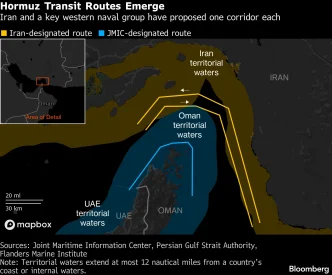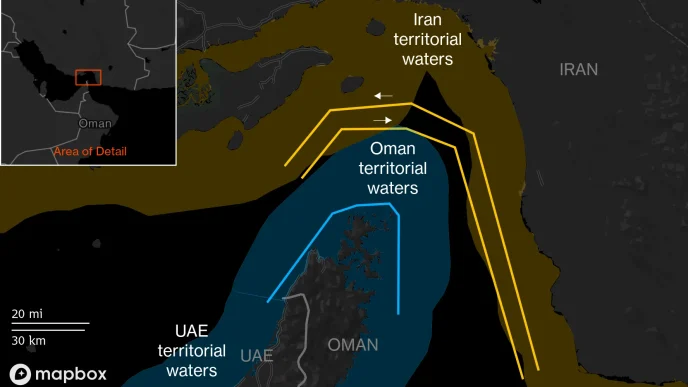

Reports indicate a potential agreement between Iran and Oman concerning the Strait of Hormuz, with an announcement possibly arriving as early as today. This prospective deal, which sources suggest has been outlined by Iran and Oman, would involve Iran overseeing the northern route for inbound maritime traffic, while Oman would manage the southern route for outgoing vessels. A key component of the proposed arrangement includes a 60-day ceasefire and the absence of tolls on transit. Such a development could significantly impact global shipping and regional stability, given the Strait’s critical role in international oil trade.
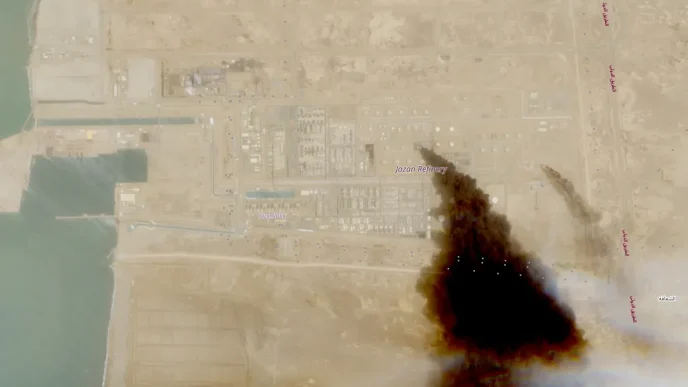
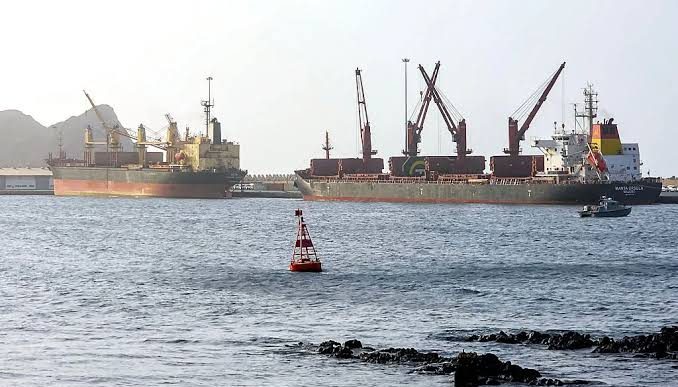
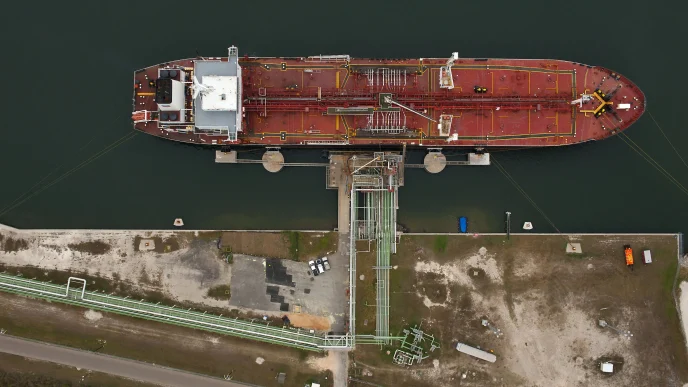
However, the optimistic outlook for this agreement is tempered by several significant caveats. History shows that such negotiations in the region are often fragile, with previous attempts at de-escalation proving short-lived. Both Iran and the administration of former President Trump have demonstrated a capacity to disrupt diplomatic efforts through military actions. Further complicating the situation, the Houthis, an Iranian-backed group in Yemen, launched another attack on a Saudi ship in the Bab al-Mandeb this morning, marking their eighth strike against Saudi vessels. There is currently no indication that any potential deal would extend to securing the Red Sea route, which remains vulnerable to such incidents.
The economic implications of such an agreement, even with its limitations, are a point of discussion among financial analysts. Paul Donovan at UBS suggested that while tolls, perhaps branded as a “tariff” or “environmental charge,” might eventually be introduced, their economic impact would likely be negligible. More significant, according to Donovan, are the broader implications for insurance costs, the security of supply chains, and future infrastructure investment in the Gulf region, particularly if Iran solidifies its control over the Strait. These factors could introduce new layers of complexity for international commerce navigating these vital waterways.
Meanwhile, the broader economic landscape continues to present a mixed picture. SpaceX, for instance, saw its shares fluctuate wildly following its first post-IPO earnings call. After an initial 9.43% rise, shares declined 10.8% overnight. This volatility was largely attributed to the company’s Q2 capital expenditure of $18.4 billion, which significantly exceeded analyst expectations of $13.2 billion. Despite this, revenue nearly doubled year-over-year to $7.8 billion, surpassing forecasts, and net losses were almost halved to $541 million, as reported by Fortune’s Amanda Gerut. Elon Musk, true to form, painted a highly ambitious future for SpaceX, advancing its internal target for $1 trillion in annual revenue to 2030, with a “non-zero chance” of reaching it by 2029, envisioning a future where robots on the moon would facilitate mass acceleration with solar production.
In a different sector, Palantir experienced a substantial 29.45% surge in its stock price yesterday after reporting second-quarter earnings that far outstripped expectations, though it did relinquish 2.85% in overnight trading. The broader S&P 500 has also shown resilience, partly due to upward revisions in analysts’ future earnings estimates, a trend Goldman Sachs’ Peter Oppenheimer noted as unusual, given that estimates typically decline over the year. Bank of America’s Savita Subramanian highlighted that while the S&P 500 saw a slight dip in July, the equal-weighted S&P 500 gained 1.0%, with improved market breadth.
Further illustrating economic currents, Federal Reserve Chairman Kevin Warsh’s move away from providing explicit “forward guidance” on monetary policy has drawn criticism. Goldman Sachs Chief Economist Jan Hatzius argued this approach creates a “fundamental problem,” potentially making markets more “error-prone.” Hatzius warned of a “hall of mirrors” scenario where market misinterpretations could inadvertently influence Fed actions, leading to increased financial volatility and delayed monetary policy effects. This concern underscores the delicate balance the Fed must strike between transparency and market independence.