
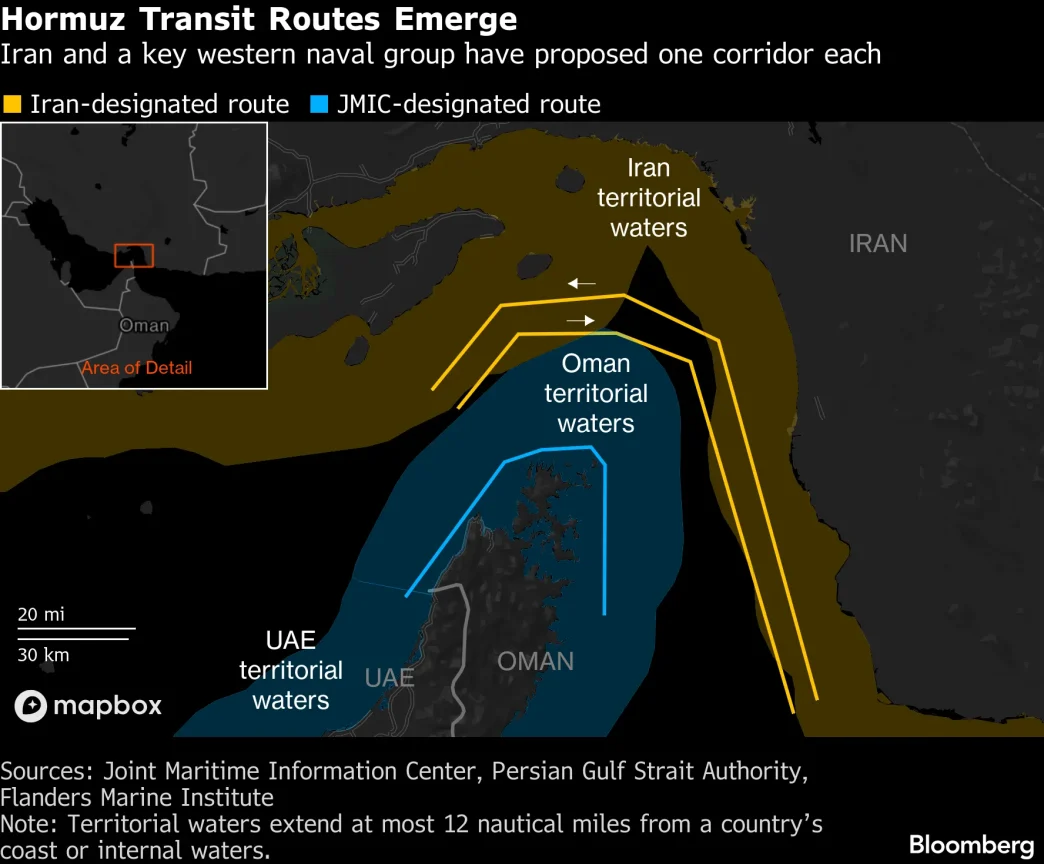
Negotiations between Iran and Oman have intensified regarding the critical Strait of Hormuz, a development coming as the region grapples with a notable uptick in maritime security incidents. The discussions, reportedly focused on enhancing stability and navigation protocols in the narrow waterway, underscore a shared regional concern over the volatile shipping environment that has seen repeated disruptions and attacks on commercial vessels in recent months. This diplomatic push from Tehran and Muscat aims to forge a common understanding for managing traffic through the strait, which remains a choke point for a significant portion of the world’s oil supply.
Sources close to the ongoing talks indicate that senior officials from both nations have been exploring mechanisms for de-escalation and improved communication. The objective, it appears, is to establish a framework that can prevent future escalations while ensuring the unimpeded flow of international commerce. Such an agreement, if finalized, would represent a significant diplomatic achievement, offering a potential pathway to ease tensions that have periodically flared in one of the globe’s most strategically vital maritime passages. The complexity of these discussions is magnified by the diverse interests at play, including international shipping companies, oil markets, and various regional and global powers with stakes in the strait’s security.
The backdrop to these overtures is stark. In recent months, multiple commercial ships traversing the waters near the Strait of Hormuz have been targeted, with incidents ranging from boardings to seizures and drone attacks. These events have prompted increased scrutiny from international maritime organizations and navies, raising insurance premiums for vessels operating in the area and introducing an element of unpredictability for global supply chains. While specific perpetrators for all incidents have not always been definitively identified, many have been attributed to actors operating from Iranian territory, often in response to broader geopolitical tensions. This pattern of disruption highlights the urgent need for a more robust and mutually agreed-upon security architecture in the Gulf.
Oman, traditionally a neutral mediator in regional disputes, has long maintained close ties with both Iran and Western nations. This unique diplomatic position allows Muscat to act as a crucial bridge, facilitating dialogue where direct communication might be fraught with difficulty. Their role in these discussions is not merely passive; Oman’s geographic proximity and historical engagement with maritime affairs in the Gulf grant it a vested interest in the stability of the Strait of Hormuz. The current round of talks appears to build on previous, less publicized engagements, signaling a growing determination to find practical solutions to a persistent security challenge.
Any potential agreement between Iran and Oman would likely focus on practical measures such as information sharing, coordinated patrols, and established channels for resolving disputes at sea. While a comprehensive resolution to all regional tensions remains a distant prospect, a functional arrangement for the Strait of Hormuz could significantly reduce the risk of miscalculation and accidental escalation. The international community, heavily reliant on the unimpeded passage of oil and goods through this waterway, is undoubtedly watching these diplomatic efforts with keen interest, hoping that a pragmatic solution can emerge from the current climate of uncertainty. The effectiveness of such a deal, however, will ultimately hinge on the political will of all parties to adhere to its terms, a challenge in itself given the complex geopolitical dynamics of the Middle East.