

Aramco’s Jazan refinery, a crucial component of Saudi Arabia’s energy infrastructure, found itself under attack for the second time in a week this past Friday, as Houthi forces claimed responsibility for a drone strike. The incident, which reportedly targeted several facilities including fuel tanks, follows a similar assault on the same refinery just days prior, underscoring a persistent and escalating pattern of cross-border aggression that continues to destabilize the region. Saudi authorities confirmed the attack, stating that while a fire broke out at one of the refinery’s tanks, it was quickly brought under control, with no reported casualties or significant disruption to operations.
The repeated targeting of the Jazan facility, located on Saudi Arabia’s southwestern coast, is particularly noteworthy given its strategic importance. The refinery, which began full commercial operations in 2021, processes approximately 400,000 barrels per day of crude oil, primarily for domestic consumption and power generation, but also for export. Its vulnerability to these aerial assaults raises questions about the efficacy of Saudi air defenses against Houthi drones and missiles, which have grown increasingly sophisticated over the years. These attacks are not isolated events; they are part of a broader campaign by the Yemen-based Houthis to strike at Saudi economic and military targets, often in retaliation for Saudi-led coalition operations in Yemen.
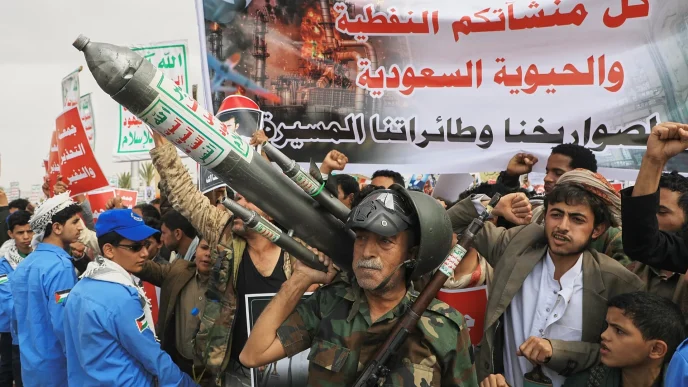
Houthi military spokesperson Yahya Saree issued a statement shortly after the latest strike, asserting that the operation was “large-scale” and involved multiple drones targeting vital installations in Jazan. This public declaration of responsibility is characteristic of Houthi tactics, aiming to project strength and undermine Saudi Arabian security assurances. The group has consistently declared that such strikes will continue as long as the Saudi-led intervention in Yemen persists, framing them as legitimate acts of self-defense against what they describe as an ongoing blockade and military campaign.
International reaction to these repeated attacks has largely involved condemnations and calls for de-escalation. The United Nations and various Western powers have urged all parties to exercise restraint and engage in diplomatic efforts to resolve the protracted conflict in Yemen. However, the consistent Houthi targeting of Saudi infrastructure complicates these calls, as Riyadh views such actions as direct threats to its sovereignty and economic stability, necessitating a robust defensive posture. The United States, a key ally of Saudi Arabia, has also reiterated its commitment to assisting the Kingdom in defending its territory, though the specifics of that assistance in preventing drone and missile attacks remain a complex challenge.
The economic implications, while currently contained due to the quick response at Jazan, remain a significant concern. The global energy market is already navigating a period of volatility, and any sustained disruption to Saudi oil facilities, even those primarily serving domestic needs, could send ripples through international supply chains. While Aramco has maintained that its supply commitments remain unaffected, the psychological impact of repeated strikes on investor confidence and regional stability cannot be overlooked. The continued ability of the Houthis to penetrate Saudi airspace and strike critical infrastructure suggests that the conflict, despite years of international mediation attempts, is far from a resolution and continues to pose a tangible threat to regional security and global energy markets.